The Meccan Revelations

Manuscript volume 14 · Page 82

Konya manuscript

Open Arabic sourceOpen English translation

Arabic

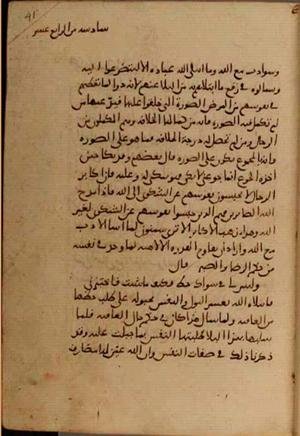
وسوء أدب مع الله، وما ابتلى الله عباده إلا ليتضرعوا إليه، ويسألوه في رفع ما ابتلاهم به من البلاء عنهم، لأنه دواء لما تعطيهم في نفوسهم من المرض الصورة التي خلقوا عليها، فيدعيها من لم تكمل فيه الصورة، فإنه من كمالها الخلافة، وهم المكملون من الرجال، ومن لم تحصل له درجة الخلافة، فما هو على الصورة، فإنه بالمجموع يكون على الصورة.

قال: بعضهم: وقد بكى حين أخذه الجوع: «إنما جوعني لأبكي»، فهو يبكي له وعليه.

فإن أكابر الرجال لا يحبسون نفوسهم عن الشكوى إلى الله، فإذا مدح الله الصابرين، فهم الذين حبسوا نفوسهم عن الشكوى لغير الله، وهٰذا مذهب الأكابر، أ لا ترى سمنون لما أساء الأدب مع الله، وأراد أن يقاوم القدرة الإلهية، لما وجد في نفسه من حكم الرضا والصبر قال:.

و ليس لي في سواك حظ، فكيف ما شئت فاختبرني

فابتلاه الله بعسر البول، والنفس مجبولة على طلب حظها من العافية، ولما سأل هٰذا كان في حكم حال العافية، فلما سلبها بهٰذا البلاء، طلبتها النفس بما جبلت عليه.

وقد ذكرنا ذٰلك في صفات النفس، وأن الله عين لها مصارف،
English

and poor courtesy toward God. God tries His servants only so that they plead with Him and ask Him to remove the affliction with which He tries them. It is a remedy for the illness produced within their souls by the form in which they were created. One in whom the form is incomplete claims it, for its perfection includes vicegerency, and those possessing it are the perfected among the men. One who has not attained the degree of vicegerency is not upon the form: only through the whole is one upon the form.

Someone said, weeping when hunger seized him, “He made me hungry only so that I would weep.” He weeps for Him and over Him.

The greatest of the men do not restrain their selves from complaining to God. When God praises those who are patient, they are those who restrain themselves from complaining to other than God. This is the way of the greatest. Do you not see Samnun, when he showed poor courtesy toward God and wanted to resist divine power through the satisfaction and patience whose ruling he found within himself? He said:

I have no share in other than You; test me however You will.

God tried him with difficulty urinating. The self is innately disposed to seek its share of well-being. When he asked this, he was under the ruling of well-being. When it was taken away through this affliction, the self sought it according to its innate disposition.

We have mentioned this among the self’s attributes, and that God assigned them applications,

Notes

Translator’s note TN4144-1: The form is discussed through its completeness and vicegerency. The source distinguishes withholding complaint from creatures from withholding complaint from God, and interprets praised patience through the former.

Manuscript imageManuscript volume 14 · Page 82

Arabic and English are linked by the same Konya page ID. Page alignment is approximate; consult the manuscript image for verification.

Cairo source reference

Ibn al-Arabi, The Meccan Revelations — Manuscript volume 14 · Page 82 — https://www.futmak.com/english/konya/pages.php?id=4144&text=both