The Meccan Revelations

Manuscript volume 14 · Page 80

Konya manuscript

Open Arabic sourceOpen English translation

Arabic

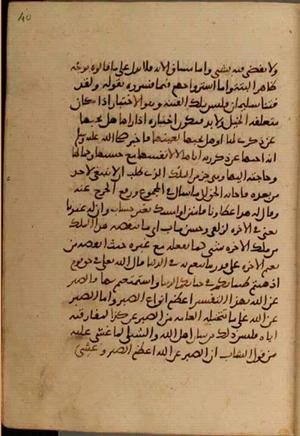
ولا نقضي فيه بشيء.

وأما مساق الآية، فلا يدل على ما قالوه بوجه ظاهر البتة، وأما استرواحهم فيما فسروه بقوله: ﴿ولَقَدْ فَتَنَّا سُلَيْمانَ﴾ [ص: 34]، فليس تلك الفتنة، وهو الاختبار، إذا كان متعلقة الخيل، ولا بد، فيكون اختباره إذا رآها، هل يحبها عن ذكري لها، أو، هل يحبها لعينها.

فأخبر ص أنه أحبها عن ذكر ربه إياها، لا لأنفسها، مع حسنها وجمالها، وحاجته إليها، وهي جزء من الملك الذي طلب أن لا ينبغي لأحد من بعده، فأجابه الحق إلى ما سأل في المجموع، ورفع الحرج عنه.

وقال له: ﴿هٰذا عَطاؤُنا فَامْنُنْ أَوْ أَمْسِكْ بِغَيْرِ حِسابٍ﴾ ﴿وإِنَّ لَهُ عِنْدَنا﴾ [ص: 39، 40]، يعني في الآخرة ﴿لَزُلْفى وحُسْنَ مَآبٍ﴾، أي ما ينقصه هٰذا الملك من ملك الآخرة شيء، كما يفعله مع غيره، حيث أنقصه من نعيم الآخرة على قدر ما تنعم به في الدنيا، قال الله تعالى: في حق قوم: ﴿أَذْهَبْتُمْ طَيِّباتِكُمْ في حَياتِكُمُ الدُّنْيا واسْتَمْتَعْتُمْ بِها﴾ [الأحقاف: 20].

فالصبر عن الله بهٰذا التفسير أعظم أنواع الصبر، وأما الصبر عن الله، على ما تتخيله العامة من الصبر عن كذا لمفارقته إياه، فليس ذٰلك من شأن أهل الله.

(وارد المقام وقوة المحل)

والشبلي لما، غشى عليه من قول الشاب إن الصبر عن الله أعظم الصبر، غشى
English

and we judge nothing concerning them.

The course of the verse gives no outward indication whatsoever of what they said. As for their finding support for their interpretation in His saying, “We tried Solomon” [Sad 38:34], that was not the trial. If its object was necessarily the horses, his trial when seeing them would be: does he love them from My mentioning them, or does he love them for themselves?

He, blessings and peace be upon him, reported that he loved them from his Lord’s mentioning them, not for themselves, despite their beauty, loveliness, and his need for them. They were part of the kingship he asked should belong to no one after him. The Real answered what he asked concerning the whole and removed restriction from him.

He said to him, “This is Our gift: bestow or withhold without reckoning,” and, “For him with Us” [Sad 38:39–40]—meaning in the Hereafter—“are nearness and a beautiful return.” This kingship diminishes nothing of his kingdom in the Hereafter, unlike His treatment of another, whose bliss in the Hereafter He diminishes in proportion to the enjoyment he had in this world. God the Exalted said concerning a people, “You exhausted your good things in your worldly life and enjoyed them” [al-Ahqaf 46:20].

Patience received from God, with this interpretation, is the greatest kind of patience. Patience in separation from God, as the common people imagine patience apart from something through leaving it, does not belong to God’s people.

(The Station’s Incoming and the Locus’s Strength)

When al-Shibli fainted at the young man’s saying that patience received from God is the greatest patience, he fainted

Notes

Translator’s note TN4142-1: The Arabic does not restate the personal name after ‘reported,’ and its pronouns are retained. The passage explicitly identifies the horses as what disappeared and rejects supplying an unmentioned sun or prayer; that interpretive distinction is maintained.

Manuscript imageManuscript volume 14 · Page 80

Arabic and English are linked by the same Konya page ID. Page alignment is approximate; consult the manuscript image for verification.

Cairo source reference

Ibn al-Arabi, The Meccan Revelations — Manuscript volume 14 · Page 80 — https://www.futmak.com/english/konya/pages.php?id=4142&text=both