The Meccan Revelations

Manuscript volume 14 · Page 79

Konya manuscript

Open Arabic sourceOpen English translation

Arabic

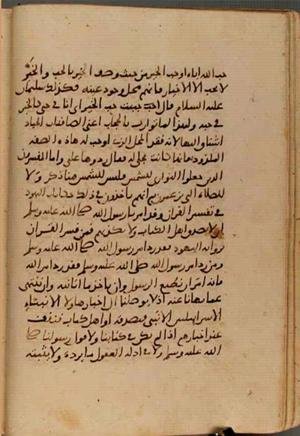
حب الله إياه، أو حب الخير، من حيث وصف الخير بالحب، والخير لا يحب إلا الأخيار، فإنهم محل وجود عينه، فكذٰلك سليمان ع قال: ﴿أَحْبَبْتُ حُبَّ الْخَيْرِ﴾، أي أنا في حبي كالخير في حبه، ولهٰذا لما ﴿تَوارَتْ بِالْحِجابِ﴾ [ص: 32]، أعني ﴿الصافنات الجياد﴾ [ص: 31]، اشتاق إليها، لأنه فقد المحل الذي أوجب له هذه الصفة الملذوذة، فإنها كانت مجلى له، فقال: ﴿رُدُّوها عَلَيَ﴾ [ص: 33].

وأما المفسرون الذين جعلوا التواري للشمس، فليس للشمس هنا ذكر، و لا للصلاة التي يزعمون، ثم إنهم يأخذون في ذٰلك حكايات اليهود في تفسير القرآن، وقد أمرنا رسول الله ص أن لا نصدق أهل الكتاب ولا نكذبهم.

فمن فسر القرآن برواية اليهود، فقد رد أمر رسول الله ص، ومن رد أمر رسول الله ص، فقد رد أمر الله، فإنه أمر أن نطيع الرسول، وأن نأخذ ما أتانا به، وأن ننتهي عما نهانا عنه، إذ لا يوصلنا إلى أخبار هٰؤلاء الأنبياء الاسرائيليين، إلا نبي، فنصدقه، أو أهل كتاب، فنقف عند أخبارهم، إذا لم يكن في كتابنا، ولا قول رسولنا ص، ولا في أدلة العقول ما يرده، ولا يثبته،
English

God’s love for it, or the love belonging to good insofar as good is described by love. Good loves only the good, for they are the locus of its entity’s existence. Likewise Solomon, peace be upon him, said, “I loved the love of good”: that is, in my love I am like good in its love. For this reason, when they “disappeared behind the veil” [Sad 38:32]—I mean “the standing, swift horses” [Sad 38:31]—he longed for them, having lost the locus that gave him this delightful attribute. They were a place of self-disclosure for him, so he said, “Return them to me” [Sad 38:33].

As for the commentators who made the disappearance refer to the sun, the sun is not mentioned here, nor the prayer they claim. They then take Jewish accounts in interpreting the Qurʾan, although the Messenger of God, God bless him and grant him peace, commanded us neither to affirm nor deny the People of the Book.

Whoever interprets the Qurʾan through Jewish reports has rejected the Messenger of God’s command. Whoever rejects the Messenger’s command rejects God’s command, for He commanded us to obey the Messenger, take what he brings us, and refrain from what he forbids us. Accounts of these Israelite prophets reach us only through a prophet, whom we affirm, or through People of the Book, whose reports we suspend judgment upon when nothing in our Book, our Messenger’s saying, or rational proofs either refutes or establishes them,

Manuscript imageManuscript volume 14 · Page 79

Arabic and English are linked by the same Konya page ID. Page alignment is approximate; consult the manuscript image for verification.

Cairo source reference

Ibn al-Arabi, The Meccan Revelations — Manuscript volume 14 · Page 79 — https://www.futmak.com/english/konya/pages.php?id=4141&text=both