The Meccan Revelations

Manuscript volume 14 · Page 69

Konya manuscript

Open Arabic sourceOpen English translation

Arabic

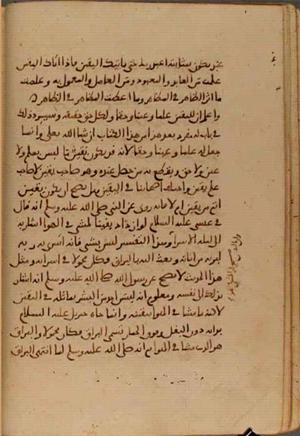
عبد يكون بمثابته: ﴿اعْبُدْ رَبَّكَ حَتَّى يَأْتِيَكَ الْيَقِينُ﴾، فإذا أتاك اليقين، علمت من العابد والمعبود، ومن العامل والمعمول به، وعلمت ما أثر الظاهر في المظاهر، وما أعطت المظاهر في الظاهر.

(اليقين وعلمه وعينه وحقه)

واعلم أن لليقين علما وعينا وحقا، ولكل حق حقيقة، وسيرد ذٰلك في باب له مفرد بعد هٰذا من هٰذا الكتاب إن شاء الله تعالى، وإنما جعل له علما وعينا وحقا، لأنه قد يكون يقينا ما ليس بعلم، ولا عين، ولا حق، ويقطع به من حصل عنده، وهو صاحب يقين، لا صاحب علم يقين[21].

(تفاوت اليقين والكلام في خبر المشي في الهواء)

واختلف أصحابنا في اليقين، هل يصح أن يكون يقين أتم من يقين، أم لا، فإنه روى عن النبي ص أنه قال في عيسى عليه السلام: «لو ازداد يقينا لمشى في الهواء»، أشار به إلى ليلة الإسراء، وأن باليقين صح له المشي في الهواء.

وهٰذا التفسير ليس بشيء[22]، فإنه أسرى به ربه، ليريه من آياته، وبعث إليه بالبراق، فكان محمولا في إسرائه.

و مثل هٰذا الحديث لا يصح عن رسول الله ص، إنه أشار بذٰلك إلى نفسه، ومعلوم أنه ليس أحد من البشر يماثله في اليقين، لكنه ما مشى في الهواء بيقينه، وإنما جاءه جبريل ع بدابة، دون البغل، وفوق الحمار، تسمى البراق، فكان محمولا والبراق هو الذي مشى في الهواء.

ثم إنه ص لما انتهى البراق

Notes

[21]

(يفصل المؤلف بين القطع النفسي وبين كون متعلقه علما صحيحا؛ ولذلك يربط شرف اليقين بشرف المتيقن.)

[22]

(هذا حكم المؤلف على التفسير المذكور في السياق؛ ويتلوه تفصيله في التمييز بين الإسراء المحمول وبين المشي في الهواء بقوة اليقين.)
English

servant in the same standing, “Worship your Lord until certainty comes to you.” When certainty comes to you, you know who is the worshipper and the worshipped, who acts and who is acted through. You know the effect of the Manifest within the loci of manifestation, and what the loci give to the Manifest.

(Certainty, Its Knowledge, Its Eye, and Its Truth)

Know that certainty has a knowledge, an eye, and a truth, and every truth has a reality. This will come in a separate chapter later in this book, God the Exalted willing. Knowledge, eye, and truth are assigned to it because there may be a certainty that is neither knowledge, eye, nor truth. One possessing it is decisive concerning it and possesses certainty, but not knowledge of certainty.[21]

(Differences in Certainty and the Report of Walking in the Air)

Our companions differed over whether one certainty can be more complete than another. It is related from the Prophet, God bless him and grant him peace, that he said concerning Jesus, peace be upon him, “Had he increased in certainty, he would have walked in the air.” This was taken as an allusion to the night journey, and to walking in the air having become possible for him through certainty.

This interpretation amounts to nothing.[22] His Lord took him by night to show him His signs, and sent the Buraq to him, so he was carried on his night journey.

A report such as this cannot validly be ascribed to the Messenger of God, God bless him and grant him peace, as an allusion by him to himself. It is known that no human being equals him in certainty, but he did not walk in the air through his certainty. Gabriel, peace be upon him, brought him a beast smaller than a mule and larger than a donkey, called the Buraq. He was carried, and it was the Buraq that walked in the air.

Then, when the Buraq had carried him, God bless him and grant him peace,

Notes

[21]

(The author distinguishes the soul’s decisiveness from its object’s being sound knowledge. He therefore links certainty’s nobility to the nobility of what is certain.)

[22]

(This is the author’s judgment on the interpretation mentioned in context. He next details the distinction between being carried on the night journey and walking in the air through certainty’s strength.)

Translator’s note TN4131-1: The report and its interpretation are presented as they occur in the text. The author rejects the inference that the night journey shows Muhammad walking in the air through certainty, emphasizing that he was carried.

Manuscript imageManuscript volume 14 · Page 69

Arabic and English are linked by the same Konya page ID. Page alignment is approximate; consult the manuscript image for verification.

Cairo source reference

Ibn al-Arabi, The Meccan Revelations — Manuscript volume 14 · Page 69 — https://www.futmak.com/english/konya/pages.php?id=4131&text=both