The Meccan Revelations

Manuscript volume 14 · Page 39

Konya manuscript

Open Arabic sourceOpen English translation

Arabic

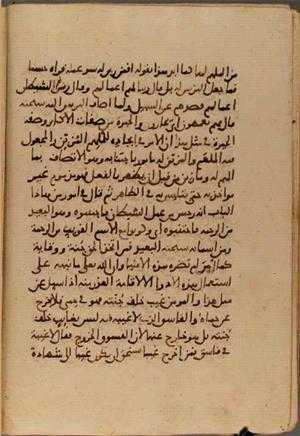
من الملهم لها، كما أيد هٰذا بقوله: ﴿أَ فَمَنْ زُيِّنَ لَهُ سُوءُ عَمَلِهِ فَرَآهُ حَسَناً﴾ [فاطر: 8]، فما جعل التزيين له، بل قال: ﴿زَيَّنَّا لَهُمْ أَعْمالَهُمْ﴾ [النمل: 4] وقال: ﴿زَيَّنَ لَهُمُ الشَّيْطانُ أَعْمالَهُمْ فَصَدَّهُمْ عَنِ السَّبِيلِ﴾ [النمل: 24].

ولما أضاف التزيين إليه سبحانه قال: ﴿فَهُمْ يَعْمَهُونَ﴾ [النمل: 4]، أي يحارون، والحيرة من صفات الأكابر، وصفة الحيرة في مثل هٰذا أن الأمر في إيجاده للملهم المزين، والمجعول فيه الملهم والمزين له مأمور باجتنابه، وهو الاتصاف بما ألهم له وما زين، من قبل أن يظهر بالفعل، فهو مذموم غير مؤاخذ به، حتى يتلبس به في الظاهر.

ثم قال في أمور من هٰذا الباب إنه ﴿رِجْسٌ من عَمَلِ الشيطان﴾ [المائدة: 90]، وهو البعيد من الرحمة ﴿فاجتنبوه﴾، أي وكونوا مع الاسم القريب من الرحمة، ومن أسمائه سبحانه البعيد.

فمن اتخذ الحق جنة[13] ووقاية، كما أمر، لم تضره هذه الأشياء، فإن الله تعالى ما نبهه على استعمال هذه الأدواء، إلا لإقامة العذر منه، إذا سئل عن مثل هٰذا.

والمؤمن غيب خلف جنته، فهو في حمى، فلا يخرج عن حماه، والفاسق الذي لا غيبة فيه، ليس بغائب خلف جنته، بل هو خارج عنها، لأن الفسوق الخروج فقال: «لا غيبة في فاسق».

(الغيبة وإخراج الغائب إلى الشهادة)

فمن أخرج غيبا يستحق أن يكون غيبا إلى شهادة،

Notes

[13]

(صححت «الحمق» إلى «الحق» وفقا للطبعة الأحدث؛ فالكلام في اتخاذ الحق وقاية.)
English

by the One inspiring it. He supports this through His saying, “Is one whose evil work has been adorned for him, so that he sees it as good…” [Fatir 35:8]. He did not ascribe adorning to him, but said, “We adorned their deeds for them” [al-Naml 27:4], and, “Satan adorned their deeds for them and barred them from the path” [al-Naml 27:24].

When He attributes adorning to Himself, glory be to Him, He says, “So they wander blindly” [al-Naml 27:4], meaning they are bewildered. Bewilderment is an attribute of the great ones. In a case like this, bewilderment is that the affair’s bringing into existence belongs to the One inspiring and adorning, while the one within whom it is placed, the recipient of inspiration and adornment, is commanded to avoid it: being characterized by what was inspired and adorned for him, before it appears in action. It is blameworthy, but he is not held accountable for it until he clothes himself in it outwardly.

Concerning matters of this kind He then says that it is “defilement from Satan’s work” [al-Maʾida 5:90], the one distant from mercy. “Avoid it”: be with the name the Near to mercy. Among His names, glory be to Him, is the Distant.

Whoever takes the Real as a shield[13] and protection, as commanded, is not harmed by these things. God, exalted is He, points out the use of these diseases only to establish his excuse when questioned concerning something like this.

The believer is unseen behind his shield, within a protected domain from which he does not depart. The transgressor, concerning whom there is no absence, is not absent behind his shield, but outside it, for transgression is departure. He therefore said, “No backbiting concerning a transgressor.”

(Backbiting and Bringing the Absent into Witnessing)

Whoever brings something unseen that deserves to remain unseen into witnessing

Notes

[13]

(“Folly,” al-humq, was corrected to “the Real,” al-haqq, in accordance with the newer edition, since the discussion concerns taking the Real as protection.)

Translator’s note TN4101-1: The connection of ghiba, backbiting, with ghayb, absence or the unseen, underlies the believer’s concealment behind a shield and the transgressor’s being outside it. This lexical explanation follows the earlier expressly prohibitive reading of the report.

Manuscript imageManuscript volume 14 · Page 39

Arabic and English are linked by the same Konya page ID. Page alignment is approximate; consult the manuscript image for verification.

Cairo source reference

Ibn al-Arabi, The Meccan Revelations — Manuscript volume 14 · Page 39 — https://www.futmak.com/english/konya/pages.php?id=4101&text=both