The Meccan Revelations

Manuscript volume 14 · Page 36

Konya manuscript

Open Arabic sourceOpen English translation

Arabic

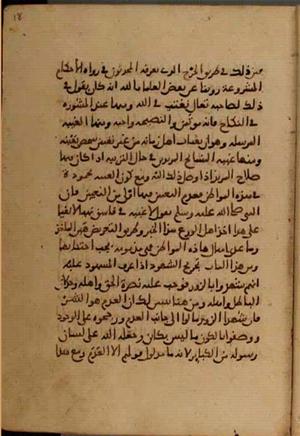
فمن ذٰلك في طريق الجرح الذي يعرفه المحدثون في رواة الأحكام المشروعة، روينا عن بعض العلماء بالله، أنه كان يقول في ذٰلك لصاحبه: «تعال نغتب في الله».

ومنها عند المشورة في النكاح، فإنه مؤتمن، والنصيحة واجبة، ومنها الغيبة المرسلة، وهو أن يغتاب أهل زمانه من غير تعيين شخص بعينه، ومنها غيبة المشايخ المريدين في حال التربية، إذا كان فيها صلاح المريد إذا وصل ذٰلك إليه، ومع كون الغيبة محمودة في هذه المواطن، فعدم التعيين فيها أولى من التعيين.

فإن النبي ص يقول: «لا غيبة في فاسق»، نهيا لا نفيا[11]، على هٰذا أخذ أهل الورع هٰذا الخبر، وطريق التعريض هين المأخذ، وما عدا أمثال هذه المواطن فهي مذمومة، يجب اجتنابها.

ومن هٰذا الباب تجريح الشهود، إذا عرف المشهود عليه أنهم شهدوا بالزور، فوجب عليه نصرة الحق وأهله، وخذلان الباطل وأهله، ومن هنا يتبين لك أن العدم هو الشر، فإن شهداء الزور مالوا إلى جانب العدم، ورجحوه على الوجود، ووصفوا بالكون ما ليس بكائن، وجعله الله على لسان رسوله من الكبائر، لأنه ما مدلول قولهم إلا العدم.

ومع هٰذا

Notes

[11]

(يذكر المؤلف هنا طريقة أهل الورع في حمل العبارة على النهي عن الغيبة؛ فلا يوردها في هذا الوجه إباحة للغيبة.)
English

including the criticism known to hadith scholars concerning transmitters of prescribed rulings. We have related from one of those who know God that he used to say to his companion concerning this, “Come, let us backbite for God.”

Other cases include consultation about marriage, where one is entrusted and sincere counsel is obligatory; general backbiting, mentioning the people of one’s age without specifying an individual; and shaykhs’ backbiting of disciples during their training, when it benefits the disciple if it reaches him. Although backbiting is praiseworthy in these situations, not specifying is preferable to specifying.

For the Prophet, God bless him and grant him peace, says, “No backbiting concerning a transgressor,” as a prohibition rather than a negation.[11] This is how the scrupulous take this report. The path of indirect speech is easily taken. Outside situations like these, it is blameworthy and must be avoided.

This includes challenging witnesses when the person against whom they testify knows that they have testified falsely. He must support truth and its people and forsake falsehood and its people. From here it becomes clear to you that nonexistence is evil: false witnesses incline toward nonexistence, favoring it over existence and describing as existent what is not existent. God made it one of the grave sins upon His Messenger’s tongue, for their words signify only nonexistence.

Despite all

Notes

[11]

(The author gives the scrupulous interpretation of the expression as a prohibition of backbiting. In this reading he does not present it as permission for backbiting.)

Translator’s note TN4098-1: The report’s ‘no backbiting’ is expressly read as prohibiting backbiting, rather than denying its applicability to a transgressor. The exceptional cases are discussed with a preference for indirect speech and avoidance of naming where the religious purpose can still be achieved.

Manuscript imageManuscript volume 14 · Page 36

Arabic and English are linked by the same Konya page ID. Page alignment is approximate; consult the manuscript image for verification.

Cairo source reference

Ibn al-Arabi, The Meccan Revelations — Manuscript volume 14 · Page 36 — https://www.futmak.com/english/konya/pages.php?id=4098&text=both