
Futmak · الفتوحات المكية · Meccan Revelations

The Meccan Revelations

Manuscript volume 13 · Page 179

Konya manuscript

Open Arabic sourceOpen English translation

Arabic

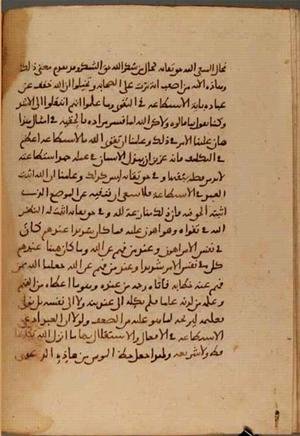
فحال المتقي الله حق تقاته كحال من شكر الله حق الشكر، وقد تقدم معنى ذٰلك.

وهذه الآية من أصعب آية مرت على الصحابة، وتخيلوا أن الله خفف عن عباده بآية الاستطاعة في التقوى، وما علموا أنهم انتقلوا إلى الأشد. وكنا نقول بما قالوه، ولكن الله لما فسر مراده بالحقية في أمثال هٰذا هان علينا الأمر في ذٰلك، وعلمنا إن تقوى الله بالاستطاعة أعظم في التكليف؛ فإنه عزيز أن يبذل الإنسان في عمله جهد استطاعته، لا بد من فضلة يبقيها، وفي حق تقاته ليس كذٰلك.

وعلمنا إن الله أثبت العبد في الاستطاعة، فلا ينبغي أن ننفيه عن الموضع الذي أثبته الحق فيه؛ فإن ذٰلك منازعة لله. وفي حق تقاته أثبت له النظر إليه في تقواه، وهو أهون عليه. فما كان شديدا عندهم كان في نفس الأمر أهون وعند من فهم عن الله، وما كان هينا عندهم كان في نفس الأمر شديدا وعند من فهم عن الله.

جعلنا الله ممن فهم عنه خطابه، فأتاه رحمة من عنده وهو ما أعطاه من الفهم، وعلمه من لدنه علما؛ فلم يكله إلى عنديته ولا إلى نفسه، بل تولى تعليمه ليريحه لما هو عليه من الضعف.

(التبري والدعوى)

ولو لا إن العبد ادعى الاستطاعة في الأفعال والاستقلال بها ما أنزل الله تكليفا قط ولا شريعة. ولهٰذا جعل حظ المؤمن من هذه الدعوى
English

The state of one who is wary of God as is His due is thus like that of one who thanks God with the thanks that is His due, whose meaning has already been explained.

This verse was among the hardest verses the Companions encountered. They imagined that God lightened the burden upon His servants through the verse of capacity concerning Godwariness, not knowing that they had moved to what is harder. We used to say as they did. But when God explained His intention through “as is His due” in such cases, the matter became easy for us, and we knew that Godwariness according to capacity is the greater charge. It is rare for a person to expend his full capacity in his work: he inevitably keeps something in reserve. Wariness as is His due is not like this.

We know that God affirms the servant in capacity, so we should not negate him where the Real affirms him, for that contests God. In wariness as is His due, He affirms for him looking toward Him in his wariness, which is easier for him. What they found hard was in reality easier, as it is for those who understand from God; what they found easy was in reality hard, as it is for those who understand from God.

May God make us among those who understand His address, so that He grants them mercy from Himself, namely the understanding He gives them, and teaches them knowledge from His presence. He does not entrust them to their own presence or themselves, but takes charge of teaching them to relieve them, because of their weakness.

(Disavowal and Claim)

Had the servant not claimed capacity in acts and independence in performing them, God would never have sent down a charge or a revealed law. For this reason He made the believer's share of this claim

Notes

Translator’s note TN3933-1: The author reverses the Companions' assessment of the two commands: seeing Godwariness as from God is easier than expending one's full capacity. His qualification preserves the servant where the command itself affirms the servant's capacity.

Manuscript imageManuscript volume 13 · Page 179

Arabic and English are linked by the same Konya page ID. Page alignment is approximate; consult the manuscript image for verification.

Cairo source reference

Ibn al-Arabi, The Meccan Revelations — Manuscript volume 13 · Page 179 — https://www.futmak.com/english/konya/pages.php?id=3933&text=both