
Futmak · الفتوحات المكية · Meccan Revelations

The Meccan Revelations

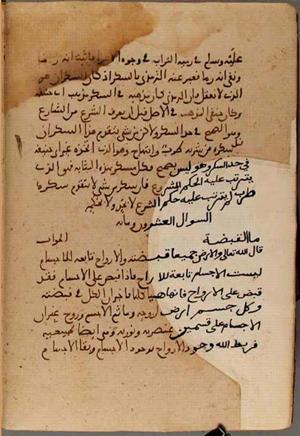
Manuscript volume 13 · Page 7

Konya manuscript

Open Arabic sourceOpen English translation

Arabic

في رميه التراب في وجوه الأعداء فأثبت أنه رمى ونفى أنه رمى فعبر عنه الترمذي بالسكر إذ كان السكران هو الذي لا يعقل.

فإن الترمذي كان مذهبه في السكر[2] مذهب أبي حنيفة، وكان حنفي المذهب في الأصل قبل أن يعرف الشرع من الشارع، وهو الصحيح في حد السكر. ولكن من شيء يتقدم هٰذا السكران قبل سكره من شربه طرب وابتهاج، وهو الذي اتخذه غير أبي حنيفة في حد السكر، وهو ليس بصحيح. فكل مسكر بهذه المثابة فهو الذي يترتب عليه الحكم المشروع. فإن سكر من شيء لا يتقدم سكره طرب لم يترتب عليه حكم الشرع لا بحد ولا بحكم.

السؤال العشرون ومائة

ما القبضة؟

الجواب

قال الله تعالى: ﴿والْأَرْضُ جَمِيعاً قَبْضَتُهُ﴾ [الزمر: 67]. والأرواح تابعة للأجسام؛ ليست الأجسام تابعة للأرواح. فإذا قبض على الأجسام فقد قبض على الأرواح؛ فإنها هياكلها فأخبر أن الكل في قبضته.

وكل جسم أرض لروحه، وما ثم إلا جسم وروح غير أن الأجسام على قسمين: عنصرية ونورية وهي أيضا طبيعية. فربط الله وجود الأرواح بوجود الأجسام وبقاء الأجسام

Notes

[2]

(حذفت «في» المكررة؛ فالطبعة الأحدث تقرأ «كان مذهبه في السكر».)
English

in his throwing dust into the enemies’ faces. He affirmed that he threw and denied that he threw. Al-Tirmidhi expressed this as intoxication, since the intoxicated person is one who does not understand.

Al-Tirmidhi’s view concerning intoxication[2] was Abu Hanifah’s view. He was originally a Hanafi before coming to know revealed law from the Lawgiver, and this is the correct definition of intoxication. Yet the drinking of something first brings the person delight and joy before his intoxication. Those other than Abu Hanifah made this the definition of intoxication, which is not correct. Every intoxicant of this kind is that upon which the prescribed ruling follows. If someone becomes intoxicated by something whose intoxication is not preceded by delight, no ruling of revealed law follows upon him, whether a prescribed penalty or another ruling.

Question One Hundred and Twenty

What is the grasp?

The answer

God, exalted is He, said, “The earth, all of it, is His grasp” [al-Zumar 39:67]. Spirits follow bodies; bodies do not follow spirits. When He grasps bodies, He has grasped spirits, for the bodies are their frames. He thus reports that all is within His grasp.

Every body is an earth for its spirit, and there is nothing but body and spirit. Bodies, however, are of two kinds: elemental and luminous, the latter also being natural. God bound the existence of spirits to the existence of bodies, and the continuance of bodies

Notes

[2]

(The repeated fī, “concerning,” was deleted; the newer edition reads “his view concerning intoxication.”)

Translator’s note TN3761-1: The legal assessment of intoxication is the author’s stated account of al-Tirmidhi and Abu Hanifah. The subsequent claim that spirits follow bodies, with their existence and continuance mutually bound, is retained in the direction stated by the source.

Manuscript imageManuscript volume 13 · Page 7

Arabic and English are linked by the same Konya page ID. Page alignment is approximate; consult the manuscript image for verification.

Cairo source reference

Ibn al-Arabi, The Meccan Revelations — Manuscript volume 13 · Page 7 — https://www.futmak.com/english/konya/pages.php?id=3761&text=both