
Futmak · الفتوحات المكية · Meccan Revelations

The Meccan Revelations

Manuscript volume 13 · Page 4

Konya manuscript

Open Arabic sourceOpen English translation

Arabic

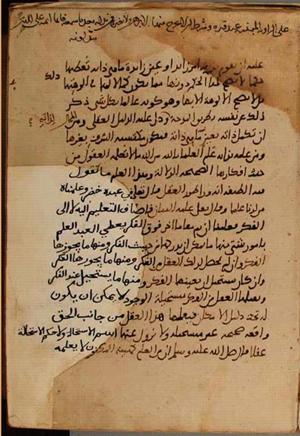
عليه أن يقوم بذاته أمر زائد أو عين زائدة ما هي ذاته تعطيها حكما لا يصح لها ذٰلك الحكم دونها مما يكون كمالا لها في ألوهيتها، بل لا تصح الألوهة إلا بها وهو كونه عالما بكل شيء. ذكر ذٰلك عن نفسه بطريق المدحة لذاته ودل عليه الدليل العقلي. ومن المحال أن تكمل ذاته بعين ما هي ذاته، فتكون مكتسبة الشرف بغيرها.

ومن علمه بذاته علم العلماء بالله من الله ما لا تعلمه العقول من حيث أفكارها الصحيحة الدلالة. وهٰذا العلم ما تقول فيه الطبقة إنه وراء طور العقل. قال تعالى في عبده خضر: ﴿وعَلَّمْناهُ من لَدُنَّا عِلْماً﴾ [الكهف: 65] وقال تعالى: ﴿عَلَّمَهُ الْبَيانَ﴾ [الرحمن: 4] فأضاف التعليم إليه، لا إلى الفكر.

فعلمنا إن ثم مقاما آخر فوق الفكر يعطي العبد العلم بأمور شتى: منها ما يمكن أن يدركها من حيث الفكر، ومنها ما يجوزها الفكر وإن لم تحصل لذٰلك العقل من الفكر، ومنها ما يجوزها الفكر وإن كان يستحيل أن يعينها الفكر، ومنها ما تستحيل عند الفكر ويقبلها العقل من الفكر مستحيلة الوجود، لا يمكن أن يكون له تحت دليل الإمكان؛ فيعلمها هٰذا العقل من جانب الحق واقعة صحيحة غير مستحيلة ولا يزول عنها اسم الاستحالة ولا حكم الاستحالة عقلا.

قال صلى الله عليه وسلم: «إن من العلم كهيئة المكنون، لا يعلمه
English

for some additional matter or entity other than His Essence to subsist in His Essence and give it a governing property that would not be valid for it without that addition, constituting a perfection in its divinity. Indeed, divinity would be valid only through it: namely, His knowing everything. He mentioned this of Himself in praise of His Essence, and rational proof indicates it. It is impossible for His Essence to be perfected by an entity other than His Essence, thereby acquiring nobility through another.

From His knowledge of His Essence, the knowers of God know from God what intellects do not know through their thoughts, however sound their indication. This is the knowledge of which the group says that it lies beyond the intellect’s stage. He, exalted is He, said of His servant al-Khidr, “We taught him knowledge from Us” [al-Kahf 18:65], and, “He taught him expression” [al-Rahman 55:4], attributing teaching to Himself, not to thought.

We thus know that there is another station above thought, giving the servant knowledge of various matters. Some can be perceived through thought. Some thought allows as possible, although that intellect has not attained them through thought. Some thought allows as possible, although thought cannot specify them. Some are impossible according to thought, and the intellect receives them from thought as impossible in existence, with no possibility of bringing them under a proof of possibility. Yet this intellect knows them from the Real’s side as actual, sound, and not impossible, while neither the name of impossibility nor the rational judgment of impossibility ceases to apply to them.

He, may God bless him and grant him peace, said, “Some knowledge is like something concealed, known

Notes

Translator’s note TN3758-1: The final category is deliberately stated both as actual knowledge received from the Real and as retaining the name and rational judgment of impossibility. The translation preserves this tension rather than replacing impossibility with mere lack of prior knowledge.

Manuscript imageManuscript volume 13 · Page 4

Arabic and English are linked by the same Konya page ID. Page alignment is approximate; consult the manuscript image for verification.

Cairo source reference

Ibn al-Arabi, The Meccan Revelations — Manuscript volume 13 · Page 4 — https://www.futmak.com/english/konya/pages.php?id=3758&text=both