
Futmak · الفتوحات المكية · Meccan Revelations

The Meccan Revelations

Manuscript volume 10 · Page 296

Konya manuscript

Open Arabic sourceOpen English translation

Arabic

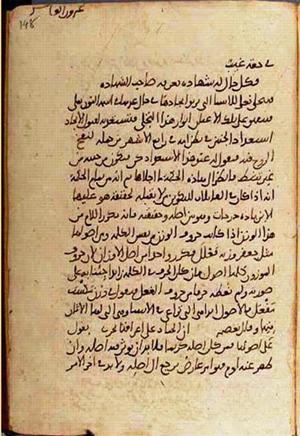
في حقه غيب، فكل حال له شهادة، يعرفه صاحب الشهادة.

فيتجلى تعالى للأشياء التي يريد إيجادها في حال عدمها في اسمه النور تعالى، فتنفهق على تلك الأعيان أنوار هٰذا التجلي، فتستعد به لقبول الإيجاد، استعداد الجنين في بطن أمه في رابع الأشهر من حمله لنفخ الروح فيه، فيقول له عند هٰذا الاستعداد: «كن»، فيكون من حينه من غير تثبط. فانظر إلى هذه الحكمة، ما أجلاها!

(الأصول والزوائد في الوزن)

ثم إنه من تمام الحكمة أنه إذا كان في القابلات للتكوين من لا يقبله لحقيقة هو عليها إلا بزيادة درجات، وهو من أصله وحقيقته، فإنه يكرر اللام من هٰذا الوزن إذا كانت حروف الوزن من نفس الكلمة ومن أصولها، مثل جَعْفَر، وزنه فَعْلَل، فكرر واحدا من أصل الأوزان؛ لأن حروف الموزون كلها أصول.

فإن كان الحرف في الكلمة زائدا، جئنا به على صورته، ولم نعطه حرفا من حروف الفعل؛ فنقول في وزن مَكْسَب: مَفْعَل. فالأصول أبدا هي التي تراعى في الأشياء، وهي التي لها الآثار فيها.

وقال بعضهم: «إن الجياد على أعراقها تجري»، يقول: على أصولها. فمن كان أصله كريما، فلا بد أن يؤثر فيه أصله، وإن ظهر عنه لؤم، فهو أمر عارض، يرجع إلى أصله، ولا بد في آخر الأمر،
English

there is no unseen. Every state for Him is witnessed, known by the possessor of witnessing.

He, exalted is He, discloses Himself to the things He wishes to bring into existence, in their nonexistence, in His name the Light. The lights of this self-disclosure burst forth upon those entities, and through it they become prepared to receive being brought into existence, like the fetus in its mother’s womb in the fourth month of pregnancy becoming prepared for the breathing of the spirit into it. At this preparedness He says to it, “Be,” and it is at once, without delay. Consider this wisdom: how clear it is!

(Root and Additional Letters in the Pattern)

Part of the completeness of wisdom is that, when among the recipients of generation there is one that cannot receive it, because of its own reality, except with additional degrees belonging to its root and reality, one repeats the lām of this pattern if the letters of the item weighed belong to the word itself and its roots. Thus Jaʿfar has the pattern faʿlal. One of the roots of the patterns is repeated, because all the letters of the item weighed are root letters.

If the letter in the word is additional, we bring it in its own form and do not assign it one of the letters of faʿala. Thus we say that the pattern of maksab is mafʿal. It is therefore always the roots that are taken into account in things, and they are what have effects within them.

Someone said, “Thoroughbreds run according to their lineages,” meaning according to their roots. Whoever has a noble root must be affected by his root. If baseness appears from him, it is incidental, and he must ultimately return to his root,

Notes

Translator’s note TN3146-1: Jaʿfar illustrates an additional root radical represented by repeating lām in the pattern faʿlal. In maksab, the mīm is additional to the root and so is reproduced as mīm in mafʿal. The author uses this grammatical distinction as an inward application of roots and what is added to them.

Manuscript imageManuscript volume 10 · Page 296

Arabic and English are linked by the same Konya page ID. Page alignment is approximate; consult the manuscript image for verification.

Cairo source reference

Ibn al-Arabi, The Meccan Revelations — Manuscript volume 10 · Page 296 — https://www.futmak.com/english/konya/pages.php?id=3146&text=both