The Meccan Revelations

Manuscript volume 9 · Page 321

Konya manuscript

Open Arabic sourceOpen English translation

Arabic

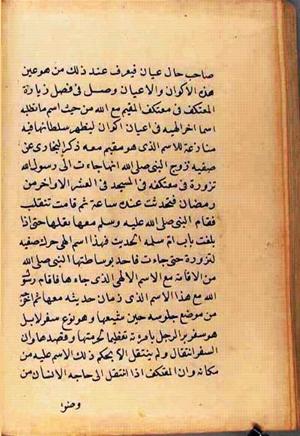
صاحب حال عيان؛ فيعرف عند ذٰلك من هو عين هذه الأكوان والأعيان.

وصل في فصل زيارة المعتكف في معتكفه المقيم مع الله من حيث اسم ما تطلبه أسماء أخر إلهية في أعيان أكوان ليظهر سلطانها فيه منازعة للاسم الذي هو مقيم معه

ذكر البخاري عن صفية زوج النبي صلى الله عليه وسلم أنها جاءت إلى رسول الله صلى الله عليه وسلم تزوره في معتكفه في المسجد في العشر الأواخر من رمضان، فتحدثت عنده ساعة، ثم قامت تنقلب، فقام النبي صلى الله عليه وسلم معها يقلبها حتى إذا بلغت باب أم سلمة، الحديث.

فهٰذا اسم إلهي حرك صفية لتزوره، حتى جاءت، فأخذ بوساطتها النبي صلى الله عليه وسلم من الإقامة مع الاسم الإلهي الذي أجاءها.

فأقام رسول الله صلى الله عليه وسلم مع هٰذا الاسم زمان حديثه معها، ثم أخرجه من موضع جلوسه حين شيعها، وهو نوع سفر، لا بل هو سفر، بر الرجل بامرأته تعظيما لحرمتها وقصدها[36]؛ فإن السفر انتقال، ولم ينتقل إلا بحكم ذٰلك الاسم عليه من مكانه.

فإن المعتكف إذا انتقل إلى حاجة الإنسان من

Notes

[36]

(وُصل رسم «بامرأته» بمقابلة الطبعة الأحدث، في سياق بر الرجل بامرأته.)
English

someone in a state of direct seeing. He then knows who is the very reality of these created beings and individual entities.

Continuation on Visiting the One in Retreat, Who Remains with God through One Name and Is Sought by Other Divine Names in Created Entities to Manifest Their Sovereignty in Him in Rivalry with the Name with Which He Remains

Al-Bukhārī relates from Ṣafiyyah, the wife of the Prophet, may God bless him and grant him peace, that she came to visit the Messenger of God, may God bless him and grant him peace, during his retreat in the mosque in the last ten nights of Ramadan. She spoke with him for a while, then rose to leave. The Prophet, may God bless him and grant him peace, rose to accompany her until she reached Umm Salamah’s door, and so on in the hadith.

This was a divine name moving Ṣafiyyah to visit him, until she came. Through her, the Prophet, may God bless him and grant him peace, received something of remaining with the divine name that had brought her.

The Messenger of God, may God bless him and grant him peace, remained with this name during his conversation with her. It then brought him out of his place of sitting when he escorted her. This is a kind of travel, indeed travel itself, a man’s kindness to his wife in honoring her sanctity and her intention.[36] Travel is a passage, and he moved from his place only under the ruling of that name over him.

When the one in retreat goes to answer a human need, such as

Notes

[36]

(The spelling of bi-imraʾatihi, “to his wife,” was joined by comparison with the newer edition, in the context of a man’s kindness to his wife.)

Translator’s note TN2845-1: The clause about what the Prophet receives through Ṣafiyyah is compressed. The following paragraph explicitly says that he remains with the divine name during their conversation. The translation follows that connection without specifying an omitted object.

Manuscript imageManuscript volume 9 · Page 321

Arabic and English are linked by the same Konya page ID. Page alignment is approximate; consult the manuscript image for verification.

Cairo source reference

Ibn al-Arabi, The Meccan Revelations — Manuscript volume 9 · Page 321 — https://www.futmak.com/english/konya/pages.php?id=2845&text=both