
Futmak · الفتوحات المكية · Meccan Revelations

The Meccan Revelations

Manuscript volume 9 · Page 159

Konya manuscript

Open Arabic sourceOpen English translation

Arabic

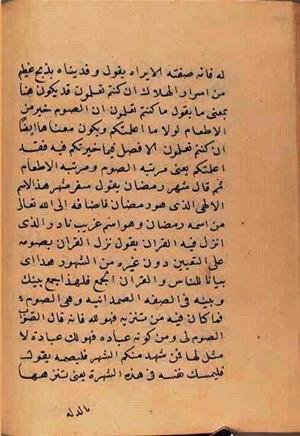
له؛ فإنه صفته. أ لا تراه يقول: ﴿وفَدَيْناهُ بِذِبْحٍ عَظِيمٍ﴾ [الصافات: ١٠٧] من أسر الهلاك؟

﴿إِنْ كُنْتُمْ تَعْلَمُونَ﴾ قد تكون «أن» هنا بمعنى «ما»، يقول: ما كنتم تعلمون أن الصوم خير من الإطعام لو لا ما أعلمتكم. ويكون معناها أيضا: إن كنتم تعلمون الأفضل فيما خيرتكم فيه فقد أعلمتكم، يعني مرتبة الصوم ومرتبة الإطعام.

(شهر رمضان والقرآن والفرقان)

ثم قال: ﴿شَهْرُ رَمَضانَ﴾ [البقرة: ١٨٥]، يقول: شهر هٰذا الاسم الإلهي الذي هو رمضان فأضافه إلى الله تعالى من اسمه رمضان، وهو اسم غريب نادر.

﴿الَّذِي أُنْزِلَ فِيهِ الْقُرْآنُ﴾، يقول: نزل القرآن بصومه على التعيين دون غيره من الشهور. ﴿هُدىً﴾، أي: بيانا، ﴿لِلنَّاسِ﴾.

والقرآن: (هو) الجمع[21]؛ فلهٰذا جمع بينك وبينه في الصفة الصمدانية، وهي الصوم. فما كان فيه من تنزيه فهو لله؛ فإنه قال: «الصوم لي».

ومن كونه عبادة فهو لك. هدى، أي: بيانا للناس على قدر طبقاتهم وما رزقوا من الفهم عنه؛ فإن لكل شخص شربا في هذه العبادة.

﴿وبَيِّناتٍ﴾، فكل شخص على بينة تخصه بقدر ما فهم من خطاب الله في ذٰلك. ﴿من الْهُدى﴾، وهو التبيان الإلهي.

﴿والْفُرْقانِ﴾، فإنه جمعك أولا معه في الصوم بالقرآن ثم فرقك لتتميز عنه بالفرقان، فأنت أنت وهو هو، في حكم ما ذكرناه من استعمالك فيما هو له، وهو الصوم؛ فهو له من باب التنزيه، وهو لك عبادة لا مثل لها.

(ثم قال): ﴿فَمَنْ شَهِدَ مِنْكُمُ الشَّهْرَ فَلْيَصُمْهُ﴾، يقول: فليمسك نفسه في هذه الشهرة، يعني ينزهها

Notes

[21]

(يفسر المؤلف «القرآن» هنا من جهة الجمع، ويقابله بالفرقان من جهة التمييز؛ وهذا تقابل اعتباري داخل شرحه.)
English

for him, since it is His attribute. Do you not see His words, “We ransomed him with a tremendous sacrifice” [al-Saffat 37:107], from captivity to destruction?

“If you know.” The particle in here may have the meaning of mā, “not.” He says, “You did not know that fasting is better than feeding until I informed you.” It may also mean, “If you know which is better among the things in which I gave you a choice, I have now informed you,” meaning the rank of fasting and the rank of feeding.

(The Month of Ramadan, the Quran, and the Criterion)

Then He said, “The month of Ramadan” [al-Baqarah 2:185], meaning the month of this divine name, Ramadan. He ascribed it to God Most High through His name Ramadan, an unfamiliar and rare name.

“In which the Quran was sent down” means that the Quran came down prescribing its fast in particular, rather than that of any other month. “As guidance,” meaning explanation, “for people.”

Quran means gathering.[21] For this reason He gathered you with Himself in the attribute of self-sufficiency, which is fasting. Whatever in it is a declaration of incomparability belongs to God, for He said, “Fasting is Mine.”

In respect of being worship, it belongs to you. “Guidance” means an explanation for people according to their degrees and the understanding of Him granted to them. Each person has his own draught in this worship.

“And clear proofs.” Each person has a particular clear proof according to what he understands of God’s address in this. “Of guidance,” which is divine explanation.

“And the Criterion.” He first gathered you with Himself in fasting through the Quran, then separated you so that you might be distinguished from Him through the Criterion. You are you and He is He, under what we have mentioned of His employing you in what belongs to Him, namely fasting. It belongs to Him by way of incomparability, and to you as worship that has no likeness.

Then He said, “Whoever among you witnesses the month, let him fast it.” He says, “Let him restrain his soul in this manifestness,” meaning purify it

Notes

[21]

(Here the author explains Quran in respect of gathering and sets it alongside Furqān, the Criterion, in respect of distinguishing. This is a contrast within the inward application in his commentary.)

Translator’s note TN2683-1: Quran and Furqān provide gathering and distinction in the same fast. Its incomparability belongs to God, while its character as worship belongs to the servant. “Manifestness” renders shuhrah, on which the author plays alongside shahr, “month.”

Manuscript imageManuscript volume 9 · Page 159

Arabic and English are linked by the same Konya page ID. Page alignment is approximate; consult the manuscript image for verification.

Cairo source reference

Ibn al-Arabi, The Meccan Revelations — Manuscript volume 9 · Page 159 — https://www.futmak.com/english/konya/pages.php?id=2683&text=both