
Futmak · الفتوحات المكية · Meccan Revelations

The Meccan Revelations

Manuscript volume 9 · Page 98

Konya manuscript

Open Arabic sourceOpen English translation

Arabic

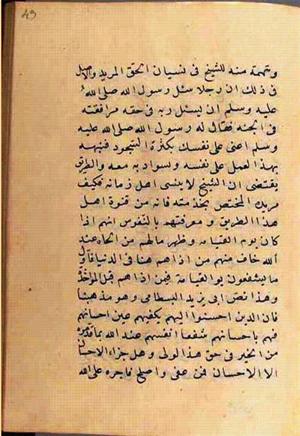
وتهمة منه للشيخ في نسيان حق المريد.

والأصل في ذٰلك أن رجلا سأل رسول الله صلى الله عليه وسلم أن يسأل ربه في حقه مرافقته في الجنة، فقال له رسول الله صلى الله عليه وسلم: «أعني على نفسك بكثرة السجود». فنبهه بهٰذا العمل على نفسه وسوء أدبه معه.

والطريق يقتضي أن الشيخ لا ينسى أهل زمانه؛ فكيف مريده المختص بخدمته؟

فإنه من فتوة أهل هٰذا الطريق ومعرفتهم بالنفوس أنهم إذا كان يوم القيامة وظهر ما لهم من الجاه عند الله، خاف منهم من آذاهم هنا في الدنيا؛ فأول ما يشفعون يوم القيامة فيمن آذاهم قبل المؤاخذة.

وهٰذا نص أبي يزيد البسطامي، وهو مذهبنا؛ فإن الذين أحسنوا إليهم يكفيهم عين إحسانهم، فهم بإحسانهم شفعاء أنفسهم عند الله بما قدموه من الخير في حق هٰذا الولي. و﴿هَلْ جَزاءُ الْإِحْسانِ إِلَّا الْإِحْسانُ﴾ [الرحمن: ٦٠] ﴿ومن عفا وأصلح فأجره على الله﴾ [الشورى: ٤٠]
English

and suspects the shaykh of forgetting the disciple’s right.

The basis is that a man asked the Messenger of God, may God bless him and grant him peace, to ask his Lord to grant him his company in Paradise. The Messenger of God, may God bless him and grant him peace, told him, “Help me against your own self by much prostration.” Through this work he called his attention to himself and to his poor conduct with him.

The path requires that the shaykh not forget the people of his time. How, then, could he forget the disciple devoted to serving him?

Part of the spiritual chivalry of the people of this path and their knowledge of souls is that, on the Day of Resurrection, when their standing with God appears, those who harmed them in this world fear them. The first people for whom they intercede on that day are those who harmed them, before they are taken to account.

This is an explicit teaching of Abū Yazīd al-Bisṭāmī, and it is our position. Those who treated them well are sufficiently served by that very good treatment. By their doing good they intercede for themselves before God through the good they did for this friend of God. “Is the recompense of doing good anything but good?” [al-Rahman 55:60]. “Whoever pardons and puts things right, his reward is upon God” [al-Shura 42:40],

Notes

Translator’s note TN2622-1: Spiritual chivalry renders futuwwah. The discussion places intercession for those who caused harm before the taking of accounts.

Manuscript imageManuscript volume 9 · Page 98

Arabic and English are linked by the same Konya page ID. Page alignment is approximate; consult the manuscript image for verification.

Cairo source reference

Ibn al-Arabi, The Meccan Revelations — Manuscript volume 9 · Page 98 — https://www.futmak.com/english/konya/pages.php?id=2622&text=both