
Futmak · الفتوحات المكية · Meccan Revelations

The Meccan Revelations

Manuscript volume 9 · Page 91

Konya manuscript

Open Arabic sourceOpen English translation

Arabic

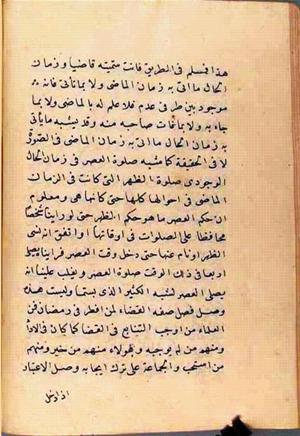
هٰذا فمسلم في الطريق، فأنت سميته قاضيا.

وزمان الحال ما عنده خبر، لا بما مضى ولا بما يأتي؛ فإنه موجود بين طرفي عدم، فلا علم له بالماضي ولا بما جاء به ولا بما فات صاحبه منه.

وقد يشبه ما يأتي به زمان الحال ما أتى به زمان الماضي في الصورة، لا في الحقيقة؛ كما تشبه صلاة العصر في زمان الحال الوجودي صلاة الظهر التي كانت في الزمان الماضي في أحوالها كلها حتى كأنها هي.

ومعلوم أن حكم العصر ما هو حكم الظهر؛ حتى لو رأينا شخصا محافظا على الصلوات في أوقاتها، واتفق أنه نسي الظهر أو نام عنها حتى دخل وقت العصر، فرأيناه يصلي أربعا في ذٰلك الوقت صلاة الظهر، ويغلب علينا إنه يصلي العصر للشبه الكثير الذي بينهما، وليست هذه هذه.

وصل في فصل صفة القضاء لمن أفطر في رمضان

فمن العلماء من أوجب التتابع في القضاء كما كان في الأداء، ومنهم من لم يوجبه. وهٰؤلاء منهم من خير ومنهم من استحب؛ والجماعة على ترك إيجابه.

وصل الاعتبار
English

this, it is accepted on the path. You are the one who called him a person making up.

The present time knows nothing of what has passed or what is to come. It exists between two ends of nonexistence. It has no knowledge of the past, what it brought, or what its possessor missed in it.

What the present time brings may resemble what the past time brought in form, apart from reality, as afternoon prayer in the presently existing time resembles the earlier noon prayer in all its states, as though it were that very prayer.

It is known that the ruling of afternoon prayer differs from that of noon prayer. We may see someone who keeps the prayers at their times and who happened to forget noon prayer or sleep through it until the time of afternoon prayer began. Seeing him pray four units then as noon prayer, we would strongly suppose he was praying afternoon prayer because of their great resemblance. Yet this is not that.

Continuation on the Manner of Making Up for One Who Did Not Fast in Ramadan

Some scholars require successive days in making up, as in the original performance. Others do not. Among the latter, some leave the choice, while others recommend succession. The majority do not make it obligatory.

Continuation on the Inward Application

Notes

Translator’s note TN2615-1: The shared form of noon and afternoon prayer illustrates why resemblance does not make two moments or their rulings identical.

Manuscript imageManuscript volume 9 · Page 91

Arabic and English are linked by the same Konya page ID. Page alignment is approximate; consult the manuscript image for verification.

Cairo source reference

Ibn al-Arabi, The Meccan Revelations — Manuscript volume 9 · Page 91 — https://www.futmak.com/english/konya/pages.php?id=2615&text=both