
Futmak · الفتوحات المكية · Meccan Revelations

The Meccan Revelations

Manuscript volume 9 · Page 82

Konya manuscript

Open Arabic sourceOpen English translation

Arabic

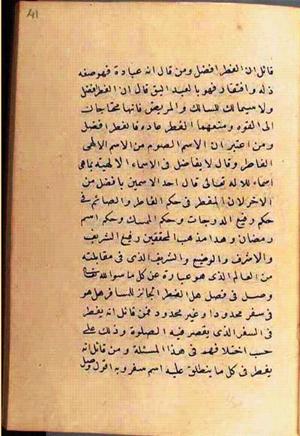
قائل: إن الفطر أفضل؛ ومن قائل: إنه على التخيير، فليس أحدهما بأفضل من الآخر.

الاعتبار

من اعتبر أن الصوم لا مثل له وأنه صفة للحق، قال: إنه أفضل.

ومن اعتبر أنه عبادة، فهو صفة ذلة وافتقار، فهو بالعبد أليق، قال: إن الفطر أفضل ولا سيما للسالك والمريض؛ فإنهما محتاجان إلى القوة، ومنبعها الفطر عادة، فالفطر أفضل.

ومن اعتبر أن الصوم من الاسم الإلهي رمضان وأن الفطر من الاسم الإلهي الفاطر، وقال: لا تفاضل في الأسماء الإلهية بما هي أسماء للاله تعالى، قال: ليس أحد الاسمين بأفضل من الآخر؛ لأن المفطر في حكم الفاطر، والصائم في حكم رفيع الدرجات، وحكم الممسك، وحكم اسم رمضان.

وهٰذا مذهب المحققين: في رفع الشريف والأشرف والوضيع والشريف الذي في مقابلته من العالَم الذي هو عبارة عن كل ما سوى الله تعالى.

وصل في فصل هل الفطر الجائز للمسافر هل هو في سفر محدود أو غير محدود؟

فمن قائل: إنه يفطر في السفر الذي يقصر فيه الصلاة، وذٰلك على حسب اختلافهم في هذه المسألة؛ ومن قائل: إنه يفطر في كل ما ينطلق عليه اسم سفر، وبه أقول.
English

say breaking the fast is preferable. Others leave a choice, with neither preferable to the other.

The Inward Application

Whoever considers that fasting has no like and is an attribute of the Real says it is preferable.

Whoever considers that it is worship, a quality of lowliness and need more fitting for the servant, says breaking the fast is preferable, especially for the wayfarer and the sick person. They need strength, and breaking the fast is ordinarily its source, so breaking it is preferable.

Whoever considers that fasting belongs to the divine name Ramadan and breaking it to the divine name the Originator, and holds that the divine names admit no preference insofar as they are names of God, exalted is He, says neither name is more excellent than the other. The one breaking the fast is under the rule of the Originator, and the one fasting under the rule of the Exalter of Degrees, the Withholder, and the name Ramadan.

This is the position of the people of realization in removing distinctions of noble and nobler, lowly and the nobility opposed to it, from the world, which means all other than God, exalted is He.

Continuation on Whether the Traveler’s Permission to Break the Fast Requires a Journey of Specified Length

Some say he breaks the fast in a journey in which he shortens prayer, in accordance with their disagreement on that question. Others say he breaks it in anything to which the name “travel” applies, which is my position.

Notes

Translator’s note TN2606-1: The pronoun at the beginning of the argument about worship and lowliness is left unspecified in the Arabic. The next sentence supports breaking the fast through the need for strength. Al-Fāṭir, the Originator, also supplies the wordplay with fiṭr, breaking the fast.

Manuscript imageManuscript volume 9 · Page 82

Arabic and English are linked by the same Konya page ID. Page alignment is approximate; consult the manuscript image for verification.

Cairo source reference

Ibn al-Arabi, The Meccan Revelations — Manuscript volume 9 · Page 82 — https://www.futmak.com/english/konya/pages.php?id=2606&text=both