
Futmak · الفتوحات المكية · Meccan Revelations

The Meccan Revelations

Manuscript volume 9 · Page 76

Konya manuscript

Open Arabic sourceOpen English translation

Arabic

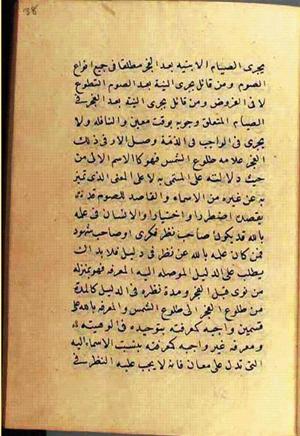
يجزي الصيام إلا بنية قبل الفجر مطلقا في جميع أنواع الصوم؛ ومن قائل: تجزى النية بعد الفجر في صوم التطوع لا في الفروض؛ ومن قائل: تجزئ النية بعد الفجر في الصيام المتعلق وجوبه بوقت معين والنافلة، ولا تجزى في الواجب في الذمة.

وصل الاعتبار في ذٰلك

الفجر علامة على طلوع الشمس، فهو كالاسم الإلهي من حيث دلالته على المسمى به، لا على المعنى الذي تميز به عن غيره من الأسماء.

والقاصد للصوم قد يقصده اضطرارا واختيارا، والإنسان في علمه بالله قد يكون صاحب نظر فكري أو صاحب شهود.

فمن كان علمه بالله عن نظر في دليل، فلا بد أن يطلب على الدليل الموصل إليه إلى المعرفة؛ فهو بمنزلة من نوى قبل الفجر، ومدة نظره في الدليل كالمدة من طلوع الفجر إلى طلوع الشمس.

والمعرفة بالله على قسمين: واجبة، كمعرفته بتوحيده في ألوهيته.

ومعرفة غير واجبة، كمعرفته بنسبة الأسماء إليه التي تدل على معان؛ فإنه لا يجب عليه النظر في
English

no fast is valid without an intention before dawn, in every kind of fasting without qualification. Others say an intention after dawn suffices for voluntary fasting but excludes obligatory fasts. Others say an intention after dawn suffices for a fast whose obligation is tied to a specified time and for voluntary fasting, while excluding an obligation outstanding as a personal liability.

Continuation on the Inward Application

Dawn is a sign of sunrise. It is thus like the divine name insofar as it indicates the One named, apart from the meaning distinguishing it from the other names.

The person intending to fast may intend it under compulsion or by choice. In knowing God, a human being may be one who engages in rational reflection or one who witnesses.

Someone whose knowledge of God comes through considering evidence must seek the evidence leading him to knowledge. He is like someone who intends before dawn, and his period of considering the evidence is like the period from dawn to sunrise.

Knowledge of God is of two kinds. One is obligatory, such as knowing His oneness in His divinity.

The other is knowledge that is not obligatory, such as knowing how the names that indicate meanings relate to Him. He has no obligation to investigate

Manuscript imageManuscript volume 9 · Page 76

Arabic and English are linked by the same Konya page ID. Page alignment is approximate; consult the manuscript image for verification.

Cairo source reference

Ibn al-Arabi, The Meccan Revelations — Manuscript volume 9 · Page 76 — https://www.futmak.com/english/konya/pages.php?id=2600&text=both