
Futmak · الفتوحات المكية · Meccan Revelations

The Meccan Revelations

Manuscript volume 9 · Page 75

Konya manuscript

Open Arabic sourceOpen English translation

Arabic

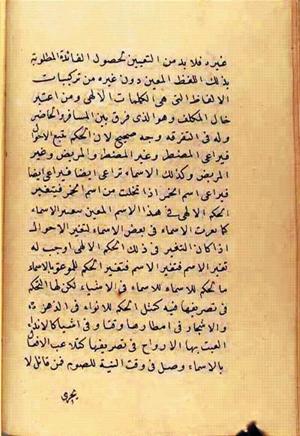
غيره، فلا بد من التعيين، لحصول الفائدة المطلوبة بذٰلك اللفظ المعين دون غيره من تركيبات الألفاظ، التي هي الكلمات الإلهية.

ومن اعتبر حال المكلف، وهو الذي فرق بين المسافر والحاضر، وله في التفرقة وجه صحيح؛ لأن الحكم يتبع الأحوال، فيراعي المضطر وغير المضطر والمريض وغير المريض.

وكذٰلك الأسماء تراعي أيضا، فيراعي اسم الخمر إذا تخللت من اسم الخل، فيتغير الحكم الإلهي في هٰذا الجسم المعين بتغير الأسماء كما تغيرت الأسماء في بعض الأشياء لتغير الأحوال؛ إذ كان التغيير في ذٰلك الحكم الإلهي أوجب له تغيير الاسم، فتغير الاسم، فتغير الحكم:

الحكم للمدعو بالأسماء

ما الحكم للأسماء في الأشياء

لكن لها التحكيم في تصريفها

فيه كمثل الحكم للأنواء

في الزهر والأشجار في أمطارها

وقتا وفي الأشياء كالأنداء

لعبت بها الأرواح في تصريفها

كتلاعب الأفعال بالأسماء

وصل في وقت النية للصوم

فمن قائل: لا
English

anything else. Specification is therefore necessary to obtain the intended benefit of that particular expression, to the exclusion of other combinations of expressions that are the divine words.

Whoever considers the accountable person’s condition distinguishes the traveler from the resident. He has a sound basis for distinguishing them, since rulings follow conditions. He takes account of those under constraint and those free of it, the sick and the healthy.

Names are likewise considered. The name of wine when it becomes vinegar is considered in relation to the name vinegar. The divine ruling concerning this particular body changes as names change, just as names of some things change when conditions change. A change in that divine ruling calls for a change of name. The name changes, and the ruling changes.

Governance belongs to the one called by the names.

Names have no governance over things.

Yet they are granted rule in their disposition

within him, like the rule of stars that herald rain

over flowers and trees when their rains come,

at times, and over things like dew.

Spirits play with them in their disposition,

as acts play with names.

Continuation on the Time of the Intention for Fasting

Some say that

Notes

Translator’s note TN2599-1: The poem moves between words and realities. In Arabic asmāʾ can mean names or nouns, and afʿāl acts or verbs, allowing the last line to carry a grammatical sense as well.

Manuscript imageManuscript volume 9 · Page 75

Arabic and English are linked by the same Konya page ID. Page alignment is approximate; consult the manuscript image for verification.

Cairo source reference

Ibn al-Arabi, The Meccan Revelations — Manuscript volume 9 · Page 75 — https://www.futmak.com/english/konya/pages.php?id=2599&text=both