
Futmak · الفتوحات المكية · Meccan Revelations

The Meccan Revelations

Manuscript volume 9 · Page 44

Konya manuscript

Open Arabic sourceOpen English translation

Arabic

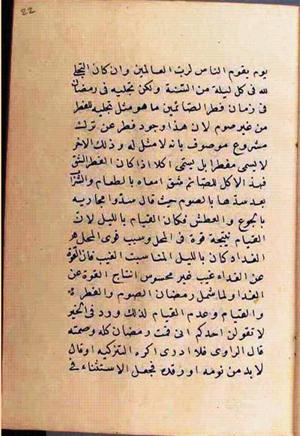
يَوْمَ يَقُومُ النَّاسُ لِرَبِّ الْعالَمِينَ﴾ [المطففين: ٦] وإن كان التجلي لله في كل ليلة من السنة، ولكن تجليه في رمضان في زمان فطر الصائمين، ما هو مثل تجليه للمفطر من غير صوم.

لأن هٰذا وجود فطر عن ترك مشروع موصوف بأنه لا مثل له، وذٰلك الآخر لا يسمى مفطرا، بل يسمى آكلا، إذ كان الفطر الشق؛ فهٰذا الأكل للصائم (هو) شق أمعائه بالطعام والشراب بعد سدها بالصوم، حيث قال: «سدوا مجاريه بالجوع والعطش».

وكان القيام بالليل لأن القيام نتيجة قوة في المحل، وسبب قوي المحل الغذاء. وكان (الغذاء) بالليل لمناسبة الغيب؛ فإن القوة عن الغذاء غيب، (إذ) غير محسوس إنتاج القوة عن الغذاء.

ولما شمل رمضان الصوم والفطر والقيام وعدم القيام، لذٰلك ورد في الخبر: «لا يقولن أحدكم إني قمت رمضان كله وصمته».

قال الراوي: فلا أدري أ كره التزكية أو قال: «لا بد من نومة أو رقدة»؟ فجعل الاستثناء في
English

the day when people rise for the Lord of the worlds” [al-Mutaffifin 83:6]. God discloses Himself every night of the year, but His self-disclosure in Ramadan at the time when those who fast break their fast differs from His self-disclosure to someone who has not fasted.

This is breaking after a prescribed abstention described as having no likeness. The other person is called an eater, without the name of one who breaks a fast. Breaking the fast (fiṭr) is splitting. For the fasting person, eating splits open his intestines with food and drink after they were closed by fasting, as in his words, “Close his channels with hunger and thirst.”

Standing in prayer takes place at night because standing results from strength in its locus, and the cause of that strength is food. Food is taken at night because of the correspondence with the unseen. The strength that comes from food is unseen, for its production from food is not perceived by the senses.

Since Ramadan encompasses fasting, breaking the fast, standing in prayer, and refraining from standing, the report says, “None of you should say, ‘I stood in prayer all Ramadan and fasted it.’”

The transmitter said, “I do not know whether he disliked praising oneself or said, ‘There must be some sleep or slumber.’” He thus made the exception concern

Manuscript imageManuscript volume 9 · Page 44

Arabic and English are linked by the same Konya page ID. Page alignment is approximate; consult the manuscript image for verification.

Cairo source reference

Ibn al-Arabi, The Meccan Revelations — Manuscript volume 9 · Page 44 — https://www.futmak.com/english/konya/pages.php?id=2568&text=both