
Futmak · الفتوحات المكية · Meccan Revelations

The Meccan Revelations

Manuscript volume 9 · Page 24

Konya manuscript

Open Arabic sourceOpen English translation

Arabic

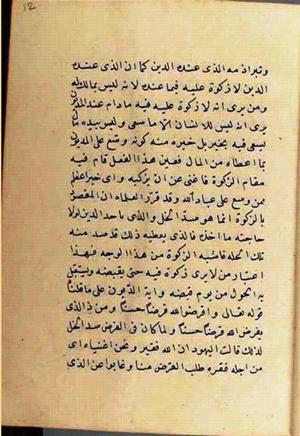
وتبرأ ذمة الذي عنده الدين كما إن الذي عنده الدين لا زكاة عليه فيما عنده؛ لأنه ليس بمالك له.

ومن يرى أنه لا زكاة عليه فيه ما دام عند المديون، يرى أنه ليس للإنسان[5] إلا ما سعى، وليس بيده مال يسعى فيه بخير؛ بل خيره منه كونه وسع على المديون بما أعطاه من المال، فعين هٰذا الفعل قام فيه مقام الزكاة، فأغنى عن أن يزكيه. وأي خير أعظم ممن وسع على عباد الله؟

وقد قرر العلماء أن المقصود بالزكاة إنما هو سد الخلة، والذي يأخذ الدين لو لا حاجته ما أخذه، والذي يعطيه ذٰلك قد سد منه تلك الخلة، فأشبه الزكاة من هٰذا الوجه؛ فهٰذا اعتبار من لا يرى زكاة فيه حتى يقبضه ويستقبل به الحول من يوم قبضه.

وآية الديون على ما قلناه قوله تعالى: ﴿وأَقْرِضُوا الله قَرْضاً حَسَناً﴾ [المزمل: ٢٠] و﴿من ذَا الَّذِي يُقْرِضُ الله قَرْضاً حَسَناً﴾ [البقرة: ٢٤٥].

ولما كان في القرض سد الخلة، لذٰلك قالت اليهود: ﴿إِنَّ الله فَقِيرٌ ونَحْنُ أَغْنِياءُ﴾ [آل عمران: ١٨١] أي: من أجل فقره طلب القرض منا. وغابوا عن الذي

Notes

[5]

(صُححت «يرى» بمقابلة الطبعة الأحدث.)
English

The liability of the person who owes the debt is discharged, just as the person holding the borrowed property owes no almsgiving on what he holds, since he does not own it.

Those who hold that no almsgiving is due while it remains with the debtor consider that the human being has only what he strives for.[5] He has no property in hand with which to strive in doing good. Rather, the good he receives from it consists in having relieved the debtor’s difficulty by giving him the property. This act itself takes the place of almsgiving and dispenses with paying almsgiving on it. What good could be greater than relieving God’s servants?

The scholars have established that the purpose of almsgiving is to meet a need. Someone who borrows would not borrow without need. The one who gives him the loan has met that need, so in this respect it resembles almsgiving. This is the inward application of those who hold that no almsgiving is due until he collects it and begins a year from the day of collection.

The verse about loans that accords with what we have said is His saying, exalted is He, “Lend God a good loan” [al-Muzzammil 73:20], and “Who is it that will lend God a good loan?” [al-Baqarah 2:245].

Since lending meets a need, the Jews said, “God is poor, and we are rich” [Al ʿImran 3:181], meaning that He asked us for a loan because of His poverty. They missed what

Notes

[5]

(The reading “considers” was corrected by comparison with the newer edition.)

Manuscript imageManuscript volume 9 · Page 24

Arabic and English are linked by the same Konya page ID. Page alignment is approximate; consult the manuscript image for verification.

Cairo source reference

Ibn al-Arabi, The Meccan Revelations — Manuscript volume 9 · Page 24 — https://www.futmak.com/english/konya/pages.php?id=2548&text=both