
Futmak · الفتوحات المكية · Meccan Revelations

The Meccan Revelations

Manuscript volume 8 · Page 135

Konya manuscript

Open Arabic sourceOpen English translation

Arabic

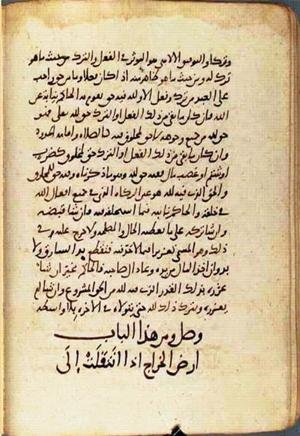
وقد تكون تركا.

والتوفيق الإلهي هو المؤثر في الفعل والترك من حيث ما هو ترك له ومن حيث ما هو ظاهر منه إذا كان فعلا وما من حق واجب على العبد من ترك وفعل إلا ولله فيه حق يقوم به الحاكم نيابة عن الله.

(حق الله وحق المخلوق في العمل)

فإن كان ما بقي من ذٰلك الفعل أو الترك حق لله تعالى فهو حق لله من جميع وجوهه لا حق لمخلوق فيه كالصلاة وإقامة الحدود.

وإن كان ما بقي من ذٰلك الفعل أو الترك حق لمخلوق كضرب أو شتم أو غصب مال، ففيه حق لله وهو ما ذكرناه وفيه حق للمخلوق والحق الذي فيه لله هو عين الزكاة الذي في جميع أفعال الله في خلقه.

والحاكم نائبه فيما استخلفه فيه فإن شاء قبضه، وإن شاء تركه على ما يعطيه الحال والمصلحة ولا حرج عليه في ذٰلك وهو المسمى تعزيرا فيما لا حد فيه فتقطع يد السارق ولا بد وإن أخذ المال من يده وعاد (به) إلى صاحبه فالحاكم مخير: إن شاء عزره بذٰلك القدر الذي فيه لله من الحق المشروع وإن شاء لم يعزره ويترك ذٰلك لله حتى يتولاه في الآخرة بلا واسطة.

وصل (أرض الخراج إذا انتقلت إلى المسلمين)

ومن هٰذا الباب أرض الخراج إذا انتقلت إلى
English

or an omission.

Divine granting of success is what has effect in acting and refraining, insofar as the person refrains or an act appears from him. In every right incumbent on the servant, whether to act or refrain, God has a right that the judge upholds on God’s behalf.

(God’s Right and the Creature’s Right in an Act)

If what remains of the act or omission is a right belonging to God Most High, it belongs wholly to God and no creature has a right in it, as with prayer and the carrying out of prescribed penalties.

If what remains is a creature’s right, as with striking, insulting, or taking property by force, it contains both God’s right, as mentioned, and the creature’s right. The right that belongs to God is the very almsgiving present in all God’s acts in His creation.

The judge is His representative in what He has made him a deputy over. He may exact that right or leave it, according to the state and the benefit, without blame. This is called discretionary punishment where no prescribed penalty applies. The thief’s hand is cut off in any case. Even if the property is taken from him and returned to its owner, the judge may impose a discretionary punishment for the measure of God’s prescribed right in it, or refrain and leave it to God to undertake in the hereafter without an intermediary.

Continuation on Land Subject to the Land Tax When It Passes to Muslims

Another question in this chapter is land subject to the land tax when it passes to

Manuscript imageManuscript volume 8 · Page 135

Arabic and English are linked by the same Konya page ID. Page alignment is approximate; consult the manuscript image for verification.

Cairo source reference

Ibn al-Arabi, The Meccan Revelations — Manuscript volume 8 · Page 135 — https://www.futmak.com/english/konya/pages.php?id=2347&text=both