
Futmak · الفتوحات المكية · Meccan Revelations

The Meccan Revelations

Manuscript volume 8 · Page 124

Konya manuscript

Open Arabic sourceOpen English translation

Arabic

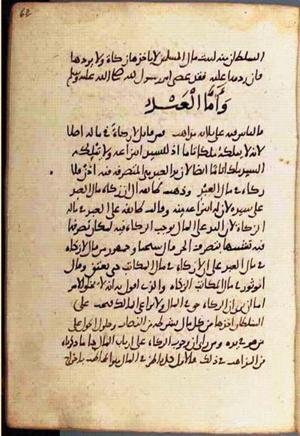
السلطان منه لبيت مال المسلمين، لا يأخذها زكاة ولا يردها فإن ردها عليه فقد عصى أمر رسول الله صلى الله عليه وسلم.

(زكاة مال العبد واختلاف جهة التكليف)

وأما العبد فالناس فيه على ثلاثة مذاهب؛ فمن قائل: لا زكاة في ماله أصلا لأنه لا يملكه ملكا تاما؛ إذ للسيد انتزاعه ولا يملكه السيد ملكا تاما أيضا لأن يد العبد هي المتصرفة فيه إذن فلا زكاة في مال العبد.

وذهبت طائفة إلى أن زكاة مال العبد على سيده لأن له انتزاعه منه.

وقالت طائفة: على العبد في ماله الزكاة لأن اليد على المال توجب الزكاة فيه لمكان تصرفها فيه تشبيها بتصرف الحر.

قال شيخنا: وجمهور من قال لا زكاة في مال العبد على أن لا زكاة في مال المكاتب حتى يعتق وقال أبو ثور: في مال المكاتب الزكاة.

والذي أقول به أنه لا يخلو الأمر إما أن يرى أن الزكاة حق في المال ولا يراعي المالك، فيجب على السلطان أخذها من كل مال بشرطه من النصاب وحلول الحول على من هو في يده.

ومن رأى أن وجوب الزكاة على أرباب المال جاء ما ذكرناه من المذاهب في ذٰلك فالأولى: كل ناظر في المال هو المخاطب بإخراج
English

by the ruler for the Muslims’ public treasury. He does not take it as almsgiving and does not return it. If he returns it to the man, he has disobeyed the command of the Messenger of God, may God bless him and grant him peace.

(Almsgiving from a Slave’s Property and the Differing Grounds of Responsibility)

There are three positions concerning a slave. Some hold that no almsgiving is due from his property at all, because he does not own it fully, since the master can take it from him. The master does not own it fully either, because the slave is the one who disposes of it. Thus no almsgiving is due from the slave’s property.

A group holds that the almsgiving on the slave’s property is owed by his master, because he can take it from him.

Another group says that the slave owes almsgiving from his property, because having control of the property and disposing of it makes almsgiving obligatory, by analogy with a free person’s disposal of property.

Our shaykh said that most of those who hold that no almsgiving is due from the slave’s property also hold that no almsgiving is due from the property of a slave contracted to purchase his freedom until he is freed. Abū Thawr said that almsgiving is due from the property of such a contracted slave.

I hold that one may consider almsgiving a right in the property without considering the owner. In that case the ruler must take it from all property, subject to its conditions of the minimum amount and the passage of a year, from whoever holds it.

Whoever considers the obligation of almsgiving to rest on the owners of property arrives at the positions we have mentioned. It is preferable that everyone who administers property be the one addressed by the command to pay

Manuscript imageManuscript volume 8 · Page 124

Arabic and English are linked by the same Konya page ID. Page alignment is approximate; consult the manuscript image for verification.

Cairo source reference

Ibn al-Arabi, The Meccan Revelations — Manuscript volume 8 · Page 124 — https://www.futmak.com/english/konya/pages.php?id=2336&text=both