The Meccan Revelations

Manuscript volume 8 · Page 102

Konya manuscript

Open Arabic sourceOpen English translation

Arabic

وانصرف فأخبر الله أنه تكوى بها ظهورهم.

فهٰذا حكم مانعي الزكاة أعني زكاة الذهب والفضة. وأما (حكم مانعي) زكاة الغنم والبقر والإبل فأمر آخر كما ورد في النص: أنه يبطح لها بقاع قرقر فتنطحه بقرونها وتطؤه بأظلافها وتعضه بأفواهها فلهٰذا خص (مانعي زكاة الذهب والفضة) الجباه والجنوب والظهور بالذكر في الكي، والله أعلم بما أراد.

(حق المستحقين في المال)

فأنزل الله الزكاة كما قلنا طهارة للأموال وإنما اشتدت على الغافلين الجهلاء لكونهم اعتقدوا أن الذي عين الله لهٰؤلاء الأصناف ملك لهم وأن ذٰلك من أموالهم وما علموا إن ذٰلك المعين ما هو لهم[17] وإنه في أموالهم لا من أموالهم فلا يتعين لهم إلا بالإخراج.

فإذا ميزوه حين ذٰلك يعرفون أنه لم يكن من مالهم، وإنما كان في مالهم مدرجا. هٰذا هو التحقيق.

وكانوا يعتقدون أن كل ما بأيديهم هو مالهم وملك لهم فلما أخبر الله أن لقوم في أموالهم حقا يؤدونه وما له سبب ظاهر تركن النفس إليه لا من دين ولا من بيع إلا ما ذكر الله تعالى من ادخار ذٰلك له ثوابا إلى الآخرة شق ذٰلك على النفوس للمشاركة في الأموال.

(الاستخلاف والأمانة)

ولما علم الله هٰذا منهم في جبلة نفوسهم أخرج ذٰلك القدر من الأموال من أيديهم بل أخرج جميع الأموال

Notes

[17]

(استُكملت العبارة وضُبطت بمقابلة الطبعة الأحدث: «الذي عين الله لهؤلاء الأصناف» و«ذلك المعين ما هو لهم».)
English

and leaves. God has said that their backs are branded with it.

This is the ruling for those who withhold the almsgiving on gold and silver. What befalls those who withhold the almsgiving on sheep, cattle, and camels is different, as the explicit text relates. The person is thrown down for them on a flat, open plain, and they gore him with their horns, trample him with their hooves, and bite him with their mouths. That is why the foreheads, sides, and backs of those who withhold the almsgiving on gold and silver are singled out for branding. God knows best what He intends.

(The Entitled Recipients’ Right in Wealth)

God sent down almsgiving, as we said, as a purification of wealth. It was hard upon the heedless and ignorant only because they believed that what God assigned to these classes belonged to them and was part of their own wealth. They did not know that this assigned portion was not theirs[17]. It was in their wealth, without being of their wealth. It becomes distinct to them only by being taken out.

When they separate it, they then know that it was never part of their wealth, but was included within it. This is the reality of the matter.

They had believed that everything in their hands was their wealth and belonged to them. When God told them that certain people had a right in their wealth which they must discharge, with no outward cause on which the soul could rest, whether debt or sale, apart from God’s statement that He stores it for them as a reward in the hereafter, the sharing of wealth was hard upon their souls.

(Stewardship and Trust)

Since God knew this of the nature of their souls, He took that portion of wealth out of their hands. Indeed, He took all wealth

Notes

[17]

(The wording was completed and established by comparison with the newer edition, “what God assigned to these classes” and “this assigned portion was not theirs.”)

Translator’s note TN2314-1: The distinction between “in their wealth” and “of their wealth” is central. The assigned portion is treated as a trust held among the owner’s possessions for the entitled recipients.

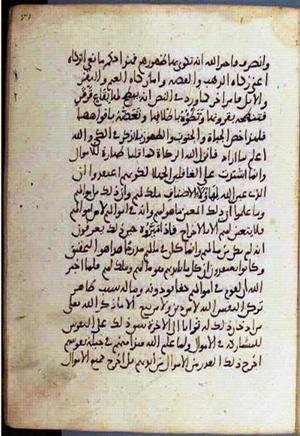
Manuscript imageManuscript volume 8 · Page 102

Arabic and English are linked by the same Konya page ID. Page alignment is approximate; consult the manuscript image for verification.

Cairo source reference

Ibn al-Arabi, The Meccan Revelations — Manuscript volume 8 · Page 102 — https://www.futmak.com/english/konya/pages.php?id=2314&text=both