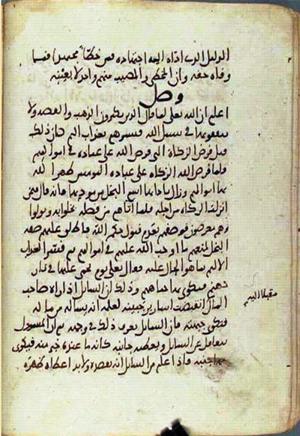
the evidence to which his independent judgment led him. Whoever declares such a jurist mistaken has not given him his due. One among them is mistaken and one correct, without identifying either.
Continuation on Those Who Hoard Gold and Silver
Know that when God, exalted is He, said, “Those who hoard gold and silver and do not spend it in God’s way, give them tidings of a painful punishment” [al-Tawbah 9:34], it was before the almsgiving God imposed on His servants’ wealth had been made obligatory.
When God made almsgiving obligatory for His believing servants, He purified their wealth through it. By paying it, the giver ceased to be called miserly. Concerning the person on whose account almsgiving was revealed, He said, “When He gave them of His bounty, they withheld it and turned away in aversion” [al-Tawbah 9:76]. He described them as rejecting God’s ruling and called them miserly because they withheld what God had made obligatory upon their wealth.
He then explained the painful punishment according to their actual conduct. He, exalted is He, said, “The day when it is heated in the Fire of Hell and their foreheads are branded with it” [al-Tawbah 9:35]. When the wealthy person sees the petitioner approaching, his brow contracts because he knows he will ask him for some of his wealth. Thus his forehead is branded, for the petitioner recognizes this in his face.
Then the person asked feigns unawareness of the petitioner and turns his side toward him, as if he knew nothing of him, so his side is branded. When he knows that the petitioner is certainly making for him, he turns his back
Notes
Translator’s note TN2313-1: The opening statement about the mistaken and the correct is compressed in Arabic. The rendering leaves their identities unspecified. The branding that follows is interpreted through the successive bodily gestures of refusing a petitioner.