The Meccan Revelations

Manuscript volume 8 · Page 99

Konya manuscript

Open Arabic sourceOpen English translation

Arabic

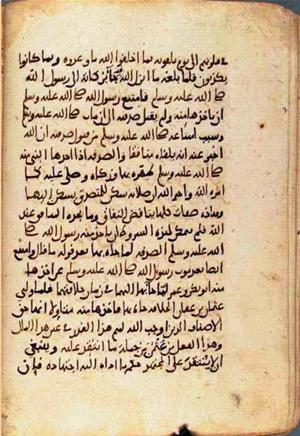
في قُلُوبِهِمْ إِلى يَوْمِ يَلْقَوْنَهُ بِما أَخْلَفُوا الله ما وَعَدُوهُ وبِما كانُوا يَكْذِبُونَ﴾ [التوبة: ٧٧].

فلما بلغه ما أنزل الله فيه جاء بزكاته إلى رسول الله صلى الله عليه وسلم، فامتنع رسول الله صلى الله عليه وسلم أن يأخذها منه ولم يقبل صدقته إلى أن مات صلى الله عليه وسلم.

(تفسير الامتناع عن قبول الصدقة)

وسبب امتناعه صلى الله عليه وسلم من قبول صدقته أن الله أخبر عنه أنه يلقاه منافقا والصدقة إذا أخذها النبي منه صلى الله عليه وسلم طهره بها وزكاه وصلى عليه كما أمره الله وأخبر الله أن صلاته سكن للمتصدق يسكن إليها وهذه صفات كلها تناقض النفاق وما يجده المنافق عند الله فلم يتمكن لهذه الشروط أن يأخذ منه رسول الله صلى الله عليه وسلم الصدقة لما جاءه بها بعد قوله ما قال.

وامتنع أيضا بعد موت رسول الله صلى الله عليه وسلم عن أخذها منه أبو بكر وعمر لما جاء بها إليهما في زمان خلافتهما.

فلما ولي عثمان بن عفان الخلافة، جاءه بها فأخذها منه متأولا أنها حق الأصناف الذين أوجب الله لهم هٰذا القدر في عين هٰذا المال.

(الاجتهاد واحتمال خصوص الحكم)

وهٰذا الفعل من عثمان من جملة ما انتقد عليه. وينبغي أن لا ينتقد على المجتهد حكم ما أداه إليه اجتهاده فإن
English

their hearts until the day they meet Him, because they broke what they had promised God and because they used to lie” [al-Tawbah 9:77].

When he heard what God had sent down concerning him, he brought his almsgiving to the Messenger of God, may God bless him and grant him peace. The Messenger of God, may God bless him and grant him peace, refused to take it from him and did not accept his charity up to his own death, may God bless him and grant him peace.

(Explaining the Refusal to Accept the Charity)

The reason he, may God bless him and grant him peace, refused to accept his charity was that God had told of him that he would meet Him as a hypocrite. If the Prophet, may God bless him and grant him peace, took the charity from him, he would cleanse and purify him through it and invoke blessings upon him, as God commanded him. God has said that his blessing is a reassurance to the giver, in which he finds rest. All these qualities contradict hypocrisy and what the hypocrite finds before God. Because of these conditions the Messenger of God, may God bless him and grant him peace, could not take the charity when he brought it after having said what he said.

After the death of the Messenger of God, may God bless him and grant him peace, Abū Bakr and ʿUmar likewise refused to take it from him when he brought it to them during their caliphates.

When ʿUthmān ibn ʿAffān became caliph, he brought it to him, and he accepted it. His interpretation was that the amount was the right of the classes for whom God had made that portion of this particular wealth obligatory.

(Independent Judgment and the Possibility of a Particular Ruling)

This act of ʿUthmān was among the things for which he was criticized. Yet a jurist exercising independent judgment should not be criticized for a ruling to which that judgment led him, for

Notes

Translator’s note TN2311-1: The narrative links refusal to accept this particular charity to the purifying effect ascribed to the Prophet’s taking it. The later juristic question is whether that personal condition also binds subsequent collectors.

Manuscript imageManuscript volume 8 · Page 99

Arabic and English are linked by the same Konya page ID. Page alignment is approximate; consult the manuscript image for verification.

Cairo source reference

Ibn al-Arabi, The Meccan Revelations — Manuscript volume 8 · Page 99 — https://www.futmak.com/english/konya/pages.php?id=2311&text=both