The Meccan Revelations

Manuscript volume 8 · Page 98

Konya manuscript

Open Arabic sourceOpen English translation

Arabic

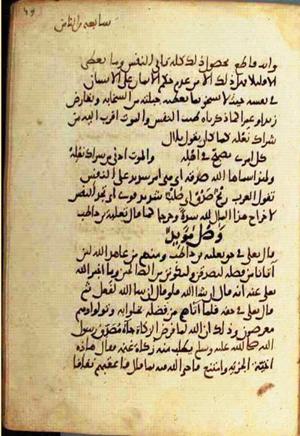
وأنت قاطع بحصول ذٰلك كله. تأبى النفس وما تعطي إلا قليلا. فهل ذٰلك إلا من عدم حكم الإيمان على الإنسان في نفسه، حيث لا يسخو بما تعطيه جبلته من السخاء به. ويقارض زيدا وعمرا -كما ذكرناه- طيب النفس، والموت أقرب إليه من شراك نعله، كما كان يقول بلال:

كل امرئ مصبح في أهله

والموت أدنى من شراك نعله

ولهذا سماها الله صدقة أي هي أمر شديد على النفس. تقول العرب: رمح صِدْق، أي صلب شديد قوي أي تجد النفس لإخراج هٰذا المال لله شدة وحرجا كما قال ثعلبة بن حاطب:

وصل مؤيد

قال تعالى في حق ثعلبة بن حاطب: ﴿ومِنْهُمْ من عاهَدَ الله لَئِنْ آتانا من فَضْلِهِ لَنَصَّدَّقَنَّ ولَنَكُونَنَّ من الصَّالِحِينَ﴾ [التوبة: ٧٥] وما أخبر الله تعالى عنه أنه قال: إن شاء الله؛ فلو قال: إن شاء الله، لفعل ثم قال تعالى في حقه: ﴿فَلَمَّا آتاهُمْ من فَضْلِهِ بَخِلُوا به وتَوَلَّوْا وهُمْ مُعْرِضُونَ﴾ [التوبة: ٧٦].

وذٰلك أن الله لما فرض الزكاة جاءه مُصَدِّق رسول الله صلى الله عليه وسلم يطلب منه زكاة غنمه فقال: هذه أخية الجزية، وامتنع فأخبر الله فيه بما قال: ﴿فَأَعْقَبَهُمْ نِفاقاً
English

certain that he will obtain all of it, his soul refuses and gives only a little. Is this anything but faith’s lack of sway over the person within himself? He does not readily give what his nature would lead him to give. Yet he gladly enters partnerships with Zayd and ʿAmr, as we said, while death is nearer to him than his sandal strap. As Bilāl used to say,

Every man wakes among his people,

while death is nearer than his sandal strap.

That is why God calls it charity, something hard upon the soul. The Arabs say a ṣidq spear, meaning a hard, stout, strong spear. The soul thus finds hardship and distress in giving this wealth for God, as in the words of Thaʿlabah ibn Ḥāṭib.

A Supporting Continuation

He, exalted is He, says concerning Thaʿlabah ibn Ḥāṭib, “Among them are those who covenanted with God, ‘If He gives us of His bounty, we will surely give charity and be among the righteous’” [al-Tawbah 9:75]. God does not report him as saying, “If God wills.” Had he said “If God wills,” he would have done it. Then He, exalted is He, says concerning him, “When He gave them of His bounty, they withheld it and turned away in aversion” [al-Tawbah 9:76].

When God made almsgiving obligatory, the collector of the Messenger of God, may God bless him and grant him peace, came to ask him for the almsgiving due on his sheep. He said, “This is the sister of the poll tax,” and refused. God then told of him what He said, “He caused hypocrisy to follow in

Notes

Translator’s note TN2310-1: The cited verses do not name a person. The author identifies their subject with Thaʿlabah ibn Ḥāṭib and develops the narrative on that basis. The “sister of the poll tax” compares the requested almsgiving to jizyah.

Manuscript imageManuscript volume 8 · Page 98

Arabic and English are linked by the same Konya page ID. Page alignment is approximate; consult the manuscript image for verification.

Cairo source reference

Ibn al-Arabi, The Meccan Revelations — Manuscript volume 8 · Page 98 — https://www.futmak.com/english/konya/pages.php?id=2310&text=both