The Meccan Revelations

Manuscript volume 8 · Page 95

Konya manuscript

Open Arabic sourceOpen English translation

Arabic

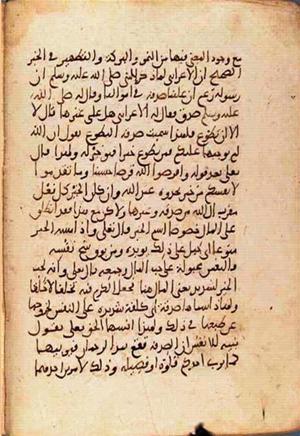
مع وجود المعنى فيها: من النمو، والبركة، والتطهير.

في الخبر الصحيح أن الأعرابي لما ذكر للنبي صلى الله عليه وسلم: «أن رسوله زعم أن علينا صدقة في أموالنا! وقال له صلى الله عليه وسلم: صدق. فقال له الأعرابي: هل علي غيرها؟ قال: لا؛ إلا أن تطوع». فلهذا سميت صدقة التطوع. يقول: إن الله لم يوجبها عليكم، ﴿فمن تطوع خيرا فهو خير له﴾ [البقرة: ١٨٤]. ولهذا قال - تعالى- بعد قوله: ﴿وأقرضوا الله قرضا حسنا﴾: ﴿وما تقدموا لأنفسكم من خير تجدوه عند الله﴾ [المزمل: ٢٠].

وإن كان "الخير" كل فعل مقرب إلى الله من صدقة وغيرها. ولكن مع هٰذا فقد انطلق على المال خصوصا اسم الخير. قال تعالى: ﴿وإذا مسه الخير منوعا﴾ [المعارج: ٢١] أي جبل على ذلك، يؤيده: ﴿ومن يوق شح نفسه﴾ [الحشر: ٩]. فالنفس مجبولة على حب المال وجمعه.

قال تعالى: ﴿وإنه لحب الخير لشديد﴾ [العاديات: ٨] يعني المال هنا. فجعل الكرم فيه تخلقا، لا خلقا. ولهذا سماها صدقة، أي كلفة شديدة على النفس، لخروجها عن طبعها في ذٰلك. ولهذا آنسها الحق تعالى، بقول نبيه للأنفس: «إن الصدقة تقع بيد الرحمن فيربيها كما يربي أحدكم فلوه أو فصيله».

وذلك لأمرين: أحدهما
English

though its meaning of growth, blessing, and purification is present in it.

In the sound report, the Bedouin mentioned to the Prophet, may God bless him and grant him peace, “Your messenger claimed that we owe charity from our wealth.” He, may God bless him and grant him peace, said, “He spoke truly.” The Bedouin asked him, “Do I owe anything else?” He said, “Only if you give voluntarily.” That is why it is called voluntary charity. He is saying that God has not made it obligatory for you. “Whoever voluntarily does good, it is better for him” [al-Baqarah 2:184]. That is why He, exalted is He, says after “Lend God a goodly loan,” “Whatever good you send ahead for yourselves, you will find with God” [al-Muzzammil 73:20].

Good includes every act that brings one near to God, whether charity or something else. Even so, wealth in particular has been called good. He, exalted is He, says, “When good touches him, withholding” [al-Maʿarij 70:21]. That is, he is disposed that way by nature, as is borne out by “Whoever is guarded against the avarice of his own soul” [al-Hashr 59:9]. The soul is naturally disposed to love wealth and gather it.

He, exalted is He, says, “He is intense in his love of good” [al-ʿAdiyat 100:8], meaning wealth here. Generosity in this matter is thus a character one acquires, rather than an inborn character. That is why He calls it charity, meaning a severe burden on the soul, since it departs from its nature in doing so. The Real, exalted is He, therefore reassures souls through the words of His Prophet, “Charity falls into the hand of the All-Merciful, and He nurtures it as one of you nurtures his colt or young camel.”

This is for two reasons. One is

Notes

Translator’s note TN2307-1: The author draws on the senses of growth and purity in zakāt and reads ṣadaqah through the strength and hardness expressed by ṣidq. His contrast between an acquired and an inborn character uses takhalluq and khuluq.

Manuscript imageManuscript volume 8 · Page 95

Arabic and English are linked by the same Konya page ID. Page alignment is approximate; consult the manuscript image for verification.

Cairo source reference

Ibn al-Arabi, The Meccan Revelations — Manuscript volume 8 · Page 95 — https://www.futmak.com/english/konya/pages.php?id=2307&text=both