The Meccan Revelations

Manuscript volume 8 · Page 94

Konya manuscript

Open Arabic sourceOpen English translation

Arabic

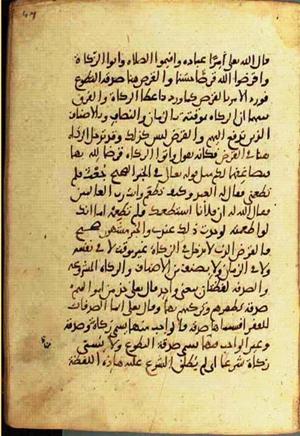
قال الله تعالى آمرا عباده: ﴿وأَقِيمُوا الصَّلاةَ وآتُوا الزَّكاةَ وأَقْرِضُوا الله قَرْضاً حَسَناً﴾ [المزمل: ٢٠]. والقرض هنا صدقة التطوع. فورد الأمر بالقرض، كما ورد بإعطاء الزكاة. والفرق بينهما: أن الزكاة مؤقتة بالزمان، والنصاب، وبالأصناف الذين تدفع إليهم، والقرض ليس كذلك. وقد تدخل الزكاة هنا في القرض. فكأنه يقول: وآتوا الزكاة قرضا لله بها، فيضاعفها لكم. مثل قوله -تعالى- في الخبر الصحيح: «جعت فلم تطعمني. فقال له العبد: وكيف تطعم وأنت رب العالمين. فقال الله له: إن فلانا استطعمك فلم تطعمه. أما إنك لو أطعمته لوجدت ذٰلك عندي» والخبر مشهور صحيح. فالقرض الذي لا يدخل في الزكاة غير مؤقت، لا في نفسه ولا في الزمان، ولا بصنف من الأصناف.

والزكاة المشروعة والصدقة لفظتان بمعنى واحد. قال تعالى: ﴿خذ من أموالهم صدقة تطهرهم وتزكيهم بها﴾ [التوبة: ١٠٣] وقال تعالى: ﴿إنما الصدقات للفقراء﴾ [التوبة: ٦٠] فسماها صدقة. فالواجب منها يسمى زكاة وصدقة، وغير الواجب منها يسمى صدقة التطوع، ولا يسمى زكاة شرعا. أي لم يطلق الشرع عليه هذه اللفظة
English

God, exalted is He, commanded His servants, “Establish prayer, give almsgiving, and lend God a goodly loan” [al-Muzzammil 73:20]. The loan here is voluntary charity. The command to lend comes just as the command to give almsgiving does. They differ in that almsgiving is specified by time, the threshold amount, and the classes to whom it is paid, while the loan is not. Almsgiving may also be included in the loan here. It is as though He says to give almsgiving as a loan to God, which He will multiply for you. It resembles His saying, exalted is He, in the sound report, “I was hungry and you did not feed Me.” The servant says to Him, “How could You be fed when You are Lord of the worlds?” God says to him, “So-and-so asked you for food and you did not feed him. Had you fed him, you would have found that with Me.” The report is well known and sound. The loan that falls outside almsgiving is not fixed in itself, by time, or by a class of recipients.

Prescribed almsgiving and charity are two expressions with one meaning. He, exalted is He, says, “Take from their wealth a charity by which you cleanse and purify them” [al-Tawbah 9:103]. He, exalted is He, says, “Charities are only for the poor” [al-Tawbah 9:60], thus calling it charity. What is obligatory is called both almsgiving and charity. What is not obligatory is called voluntary charity and is not called almsgiving in the revealed Law. That is, the Law does not apply this term to it,

Notes

Translator’s note TN2306-1: Almsgiving renders zakāt, while charity renders ṣadaqah. The text treats them as overlapping in obligatory giving, with voluntary charity remaining a distinct legal category. The threshold amount is the niṣāb.

Manuscript imageManuscript volume 8 · Page 94

Arabic and English are linked by the same Konya page ID. Page alignment is approximate; consult the manuscript image for verification.

Cairo source reference

Ibn al-Arabi, The Meccan Revelations — Manuscript volume 8 · Page 94 — https://www.futmak.com/english/konya/pages.php?id=2306&text=both