The Meccan Revelations

Manuscript volume 8 · Page 88

Konya manuscript

Open Arabic sourceOpen English translation

Arabic

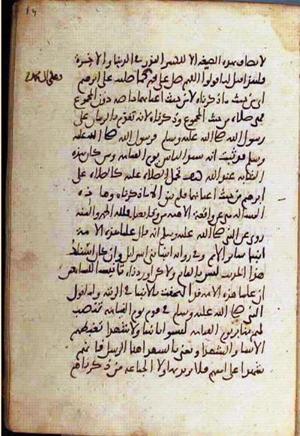
لا يضاف بهذه الصفة إلا للكبير القدر في الدنيا والآخرة.

فلهٰذا قيل لنا: «قولوا: اللهم صل على محمد وعلى آل محمد، كما صليت على إبراهيم»، أي من حيث ما ذكرناه لا من حيث أعيانهما خاصة دون المجموع فهي صلاة من حيث المجموع وذكرناه لأنه تقدم بالزمان على رسول الله صلى الله عليه وسلم.

فرسول الله صلى الله عليه وسلم قد ثبت أنه سيد الناس يوم القيامة ومن كان بهذه المثابة عند الله كيف تحمل الصلاة عليه كالصلاة على إبراهيم من حيث أعيانهما؟ فلم يبق إلا ما ذكرناه.

وهذه المسألة هي عن واقعة إلهية من وقائعنا فلله الحمد والمنة. روى عن النبي صلى الله عليه وسلم أنه قال: «علماء هذه الأمة أنبياء سائر الأمم»، وفي رواية: «أنبياء بنى إسرائيل» وإن كان إسناد هٰذا الحديث ليس بالقائم، ولكن أوردناه تأنيسا للسامعين أن علماء هذه الأمة قد التحقت بالأنبياء في الرتبة.

(غِبطة الأنبياء وأمن غير المتبوعين)

وأما قول النبي صلى الله عليه وسلم في قوم يوم القيامة تنصب لهم منابر يوم القيامة ليسوا بأنبياء ولا شهداء تغبطهم الأنبياء والشهداء ويعني بالشهداء هنا الرسل؛ فإنهم شهداء على أممهم، فلا نريد بهٰؤلاء الجماعة من ذكرناهم
English

is associated in this way only with someone of great standing in this world or the hereafter.

This is why we were told, “Say: O God, bless Muḥammad and the folk of Muḥammad as You blessed Abraham.” It concerns the aspect we have mentioned, the aggregate of each and his folk, beyond the two individuals considered alone. Abraham was mentioned because he preceded the Messenger of God, may God bless him and grant him peace, in time.

It is established that the Messenger of God, may God bless him and grant him peace, is the master of humankind on the Day of Resurrection. How could a blessing upon someone of such standing with God be understood as like the blessing upon Abraham in respect of their individual entities? The account we have given is therefore what remains.

This matter comes from one of our divine experiences. Praise and favor belong to God. It is reported of the Prophet, may God bless him and grant him peace, that he said, “The scholars of this community are the prophets of the other communities,” and in another version, “the prophets of the Children of Israel.” Although the chain of this hadith is not well established, we have quoted it to reassure listeners that this community’s scholars have joined the prophets in rank.

(The Prophets’ Admiration and the Safety of Those Without Followers)

As for the Prophet’s saying, may God bless him and grant him peace, about people for whom pulpits will be set up on the Day of Resurrection, who are neither prophets nor witnesses, yet whom the prophets and witnesses admire, by “witnesses” he means the messengers here, for they are witnesses over their communities. This group is different from those we have mentioned,

Manuscript imageManuscript volume 8 · Page 88

Arabic and English are linked by the same Konya page ID. Page alignment is approximate; consult the manuscript image for verification.

Cairo source reference

Ibn al-Arabi, The Meccan Revelations — Manuscript volume 8 · Page 88 — https://www.futmak.com/english/konya/pages.php?id=2300&text=both