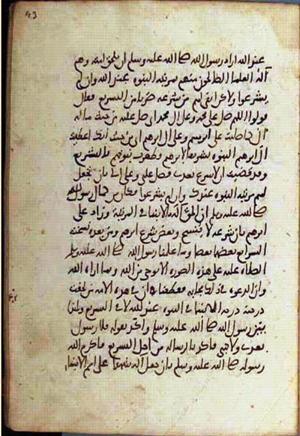
with God. The Messenger of God, may God bless him and grant him peace, wished his community, his folk among its righteous scholars, to be joined to the rank of prophethood with God, even though they give no law. Yet he left them a kind of lawgiving within his law.
He said, “Say: O God, bless Muḥammad and the folk of Muḥammad,” meaning bless him in respect of his having folk, “as You blessed Abraham and the folk of Abraham,” meaning as You granted prophethood to Abraham’s folk to honor Abraham. Their prophethood appeared through lawgiving, and You have decreed that no law comes after me. So bless me and my folk by granting them the rank of prophethood with You, even though they give no law.
Part of the perfection of the Messenger of God, may God bless him and grant him peace, is that he joined his folk to the prophets in rank. He exceeds Abraham in that his law will never be abrogated, while parts of Abraham’s law and the laws of those after him were abrogated by later laws.
The Messenger of God, may God bless him and grant him peace, taught us to invoke blessings upon him in this form only through revelation from God, through what God showed him, and with knowledge that this supplication is answered. We therefore know with certainty that some in this community reach the prophets’ degree in prophethood with God, with lawgiving excluded. This is why the Messenger of God, may God bless him and grant him peace, explained and emphasized, “There is no messenger or prophet after me.” He stressed messengerhood because of lawgiving.
God honored His Messenger, may God bless him and grant him peace, by making his folk witnesses over the communities of the prophets,