The Meccan Revelations

Manuscript volume 8 · Page 84

Konya manuscript

Open Arabic sourceOpen English translation

Arabic

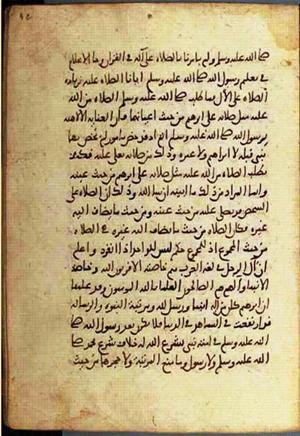
صلى الله عليه وسلم ولم يأمرنا بالصلاة على آله في القرآن، وجاء الإعلام في تعليم رسول الله صلى الله عليه وسلم إيانا الصلاة عليه بزيادة الصلاة على الآل.

فما طلب صلى الله عليه وسلم الصلاة من الله عليه مثل صلاته على إبراهيم من حيث أعيانهما فإن العناية الإلهية برسول الله صلى الله عليه وسلم أتم إذ قد خص بأمور لم يخص بها نبي قبله لا إبراهيم ولا غيره وذٰلك من صلاته تعالى عليه فكيف يطلب الصلاة من الله عليه مثل صلاته على إبراهيم من حيث عينه؟ وإنما المراد من ذٰلك ما أبينه إن شاء الله.

وذٰلك أن الصلاة على الشخص قد تصلي عليه من حيث عينه، ومن حيث ما يضاف إليه غيره فكان الصلاة من حيث ما يضاف إليه غيره هي الصلاة من حيث المجموع إذ للمجموع حكم ليس للواحد إذا انفرد.

(معنى الآل ومراتب الوراثة)

واعلم أن آل الرجل في لغة العرب هم خاصته الأقربون إليه، وخاصة الأنبياء وآلهم هم الصالحون العلماء بالله المؤمنون.

وقد علمنا إن إبراهيم كان من آله أنبياء ورسل لله ومرتبة النبوة والرسالة قد ارتفعت في الشاهد في الدنيا فلا يكون بعد رسول الله صلى الله عليه وسلم في أمته نبي يشرع الله له خلاف شرع محمد صلى الله عليه وسلم ولا رسول؛ وما منع المرتبة ولا حجرها[16] من حيث

Notes

[16]

(يفرّق المؤلف في هذا السياق بين مرتبة الوراثة التي يفسرها وبين النبوة المشرّعة، ويؤكد انقطاع التشريع بعد النبي.)
English

may God bless him and grant him peace, without commanding in the Quran that we invoke blessings upon his folk. The additional blessing upon the folk came through the teaching in which the Messenger of God, may God bless him and grant him peace, taught us how to invoke blessings upon him.

He, may God bless him and grant him peace, asked for God’s blessing upon him to resemble His blessing upon Abraham in a respect beyond their individual entities. Divine care for the Messenger of God, may God bless him and grant him peace, is more complete. He has been singled out for things granted to no prophet before him, including Abraham, and that is part of His blessing, exalted is He, upon him. How, then, could he ask for God’s blessing upon himself to resemble His blessing upon Abraham in respect of his individual entity? The intention is what I shall explain, God willing.

A blessing upon a person can concern his own entity or others associated with him. A blessing in respect of others associated with him concerns the aggregate, and an aggregate has a ruling that a single individual on his own lacks.

(The Meaning of Folk and the Degrees of Inheritance)

Know that in Arabic a man’s folk are his elect, those closest to him. The elect and folk of the prophets are the righteous believers who know God.

We know that Abraham’s folk included prophets and messengers of God. The rank of prophethood and messengerhood has been removed from outward manifestation in this world. After the Messenger of God, may God bless him and grant him peace, his community will contain no prophet for whom God lays down a law contrary to the law of Muḥammad, may God bless him and grant him peace, nor any messenger. Yet the rank itself has been left open and unrestricted[16] where

Notes

[16]

(In this context the author distinguishes the rank of inheritance he is explaining from lawgiving prophethood, and affirms that lawgiving ceased after the Prophet.)

Manuscript imageManuscript volume 8 · Page 84

Arabic and English are linked by the same Konya page ID. Page alignment is approximate; consult the manuscript image for verification.

Cairo source reference

Ibn al-Arabi, The Meccan Revelations — Manuscript volume 8 · Page 84 — https://www.futmak.com/english/konya/pages.php?id=2296&text=both