The Meccan Revelations

Manuscript volume 8 · Page 74

Konya manuscript

Open Arabic sourceOpen English translation

Arabic

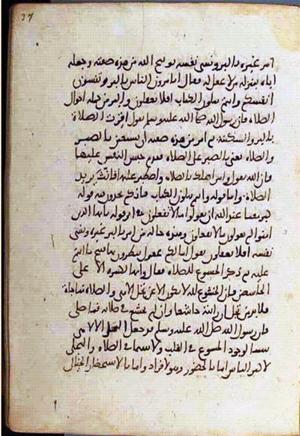
أمر غيره بالبر ونسي نفسه توبيخ الله من هذه صفته وجعله إياه بمنزلة من لا عقل له فقال: ﴿أَ تَأْمُرُونَ النَّاسَ بِالْبِرِّ وتَنْسَوْنَ أَنْفُسَكُمْ وأَنْتُمْ تَتْلُونَ الْكِتابَ أَ فَلا تَعْقِلُونَ﴾ [البقرة: ٤٤] والبر من جملة أحوال الصلاة فإن رسول الله صلى الله عليه وسلم يقول: «أقرت الصلاة بالبر والسكينة».

ثم أمر من هذه صفته أن يستعين بالصبر والصلاة، يعني بالصبر على الصلاة فقدم حبس النفس عليها فإن الله يقول: ﴿وأْمُرْ أَهْلَكَ بِالصَّلاةِ واصْطَبِرْ عَلَيْها﴾ [طه: ١٣٢] فأنث يريد الصلاة.

وأما قوله: ﴿وأَنْتُمْ تَتْلُونَ الْكِتابَ﴾ فإنكم تجدون فيه قوله: ﴿كَبُرَ مَقْتاً عِنْدَ الله أَنْ تَقُولُوا ما لا تَفْعَلُونَ﴾ [الصف: ٣] في أثر قوله: ﴿يا أَيُّهَا الَّذِينَ آمَنُوا لِمَ تَقُولُونَ ما لا تَفْعَلُونَ﴾ [الصف: ٢] وهذه حالة من أمر بالبر غيره ونسي نفسه ﴿أَ فَلا تَعْقِلُونَ﴾، يقول: أما لكم عقول تنظرون بها قبيح ما أنتم عليه؟

(التجلي والخشوع)

ثم ذكر الخشوع للصلاة فقال: ﴿وإِنَّها لَكَبِيرَةٌ إِلَّا عَلَى الْخاشِعِينَ﴾ [البقرة: ٤٥] فإن الخشوع لله لا يكون إلا عن تجل إلهي والصلاة مناجاة فلا بد من تجل إن رأيته خاشعا وإن لم يخشع في صلاته فما صلى فإن رسول الله صلى الله عليه وسلم قد جعل التجلي الإلهي سببا لوجود الخشوع في القلب ولا سيما في الصلاة والتجلي لأكثر الناس إما بالحضور وهو لأفراد، وإما بالاستحضار الخيالي
English

commands others to righteousness and forgets himself, is God’s rebuke of such a person, whom He places in the position of someone without understanding. He said, “Do you command people to righteousness and forget yourselves, while you recite the Book? Will you not understand?” [al-Baqarah 2:44]. Righteousness is among the states of prayer, for the Messenger of God, may God bless him and grant him peace, says, “Prayer is established with righteousness and tranquility.”

Then He commanded such a person to seek help through patience and prayer, meaning patience in prayer. He first mentioned holding oneself to it. God says, “Command your family to pray and persevere in it” [Ta Ha 20:132]. He used the feminine pronoun, meaning prayer.

As for “while you recite the Book,” in it you find His words, “It is greatly hateful to God that you say what you do not do” [al-Saff 61:3], following His words, “You who believe, why do you say what you do not do?” [al-Saff 61:2]. This is the state of someone who commands others to righteousness and forgets himself. “Will you not understand?” means, “Have you no minds by which to see the ugliness of your condition?”

(Self-disclosure and Reverence)

Then He mentioned reverence in prayer, saying, “It is indeed burdensome except for the reverent” [al-Baqarah 2:45]. Reverence toward God comes only from divine self-disclosure, and prayer is intimate converse. If you see him reverent, there must be self-disclosure. If he is not reverent in his prayer, he has not prayed. The Messenger of God, may God bless him and grant him peace, has made divine self-disclosure the cause of reverence in the heart, especially in prayer. For most people self-disclosure occurs either through presence, which belongs to a few individuals, or through imaginal calling to presence,

Notes

Translator’s note TN2286-1: The report’s wording, aqarrat al-ṣalāh, is unusual in the source. It has been rendered as “Prayer is established” without conjecturally changing the Arabic verb. The feminine pronoun in “persevere in it” points back to prayer.

Manuscript imageManuscript volume 8 · Page 74

Arabic and English are linked by the same Konya page ID. Page alignment is approximate; consult the manuscript image for verification.

Cairo source reference

Ibn al-Arabi, The Meccan Revelations — Manuscript volume 8 · Page 74 — https://www.futmak.com/english/konya/pages.php?id=2286&text=both