The Meccan Revelations

Manuscript volume 8 · Page 60

Konya manuscript

Open Arabic sourceOpen English translation

Arabic

فإن الضمير في قوله: ﴿يُصَلُّونَ﴾ يجمع الحق والملائكة ولا يتمكن للملائكة أن تلحق صلاة الله على عبده فإنها لا تتعدى مرتبتها فيكون الحق ينزل في هذه الصلاة إلى صلاة الملائكة لأجل الضمير الجامع فتكون صلاة الله على النبي من مقام صلاة الملائكة على النبي.

(الإفراد والجمع في نسبة الصلاة)

بخلاف قوله: ﴿هُوَ الَّذِي يُصَلِّي عَلَيْكُمْ﴾ فإنه هنا ما جاء بالملائكة إلا بعد ما ذكرنا وفصل بنا بين صلاته وبين الملائكة بقوله: ﴿عَلَيْكُمْ﴾، ثم قال: ﴿لِيُخْرِجَكُمْ﴾ فأفرد الخروج إليه وما جاء بضمير جامع يجمع بين الله وبين الملائكة في الصلاة على المؤمنين كما فعل في قوله: ﴿يُصَلُّونَ عَلَى النَّبِيِّ﴾.

فتميز النبي صلى الله عليه وسلم على سائر البشر بمرتبة لم يعطها أحد سواه أي ما ذكر لنا ذٰلك فعمنا كلنا والنبي صلى الله عليه وسلم من جملتنا بقوله: ﴿هُوَ الَّذِي يُصَلِّي عَلَيْكُمْ﴾ وأفرد نفسه في ذٰلك ثم قال: ﴿ومَلائِكَتُهُ﴾ فأفرد الملائكة بالصلاة على العباد وفيهم النبي.

فلجميع الخلق توحيد الصلاة[12] من الله وتوحيد الصلاة من الملائكة وخص النبي صلى الله عليه وسلم وحده فيما أخبرنا به بأن جمع له بصلاة جامعة اشترك فيها الله وملائكته فقال: ﴿إِنَّ الله ومَلائِكَتَهُ

Notes

[12]

(«توحيد الصلاة» هنا إفراد نسبتها إلى الله، وإفراد نسبتها إلى الملائكة، في مقابلة الجمع بينهما في الضمير.)
English

for the plural pronoun in “they bless” brings together the Real and the angels. The angels cannot reach God’s blessing upon His servant, since they cannot go beyond their own rank. In this blessing the Real descends to the angels’ blessing because of the inclusive pronoun. God’s blessing upon the Prophet is thus from the station of the angels’ blessing upon the Prophet.

(Separate and Collective Ascription of Blessing)

This differs from “He is the One who blesses you.” Here He mentioned us before bringing in the angels, separating His blessing from the angels by the words “upon you.” He then said, “so that He may bring you out,” ascribing the bringing out to Himself alone. He did not use an inclusive pronoun bringing God and the angels together in blessing the believers as He did in “they bless the Prophet.”

The Prophet, may God bless him and grant him peace, is thus distinguished above the rest of humanity by a rank granted to no one else, that is, we have been told of no one else. He included all of us, the Prophet, may God bless him and grant him peace, among us, in “He is the One who blesses you,” ascribing this to Himself alone. He then said, “and His angels,” separately ascribing to the angels blessing upon the servants, who include the Prophet.

Thus for all creation the blessing from God is separately ascribed and the blessing from the angels is separately ascribed[12]. According to what we have been told, He singled out the Prophet alone, may God bless him and grant him peace, by combining for him a comprehensive blessing in which God and His angels share. He said, “God and His angels

Notes

[12]

(“Making the blessing one” here means ascribing it separately to God and separately to the angels, in contrast to combining them in the pronoun.)

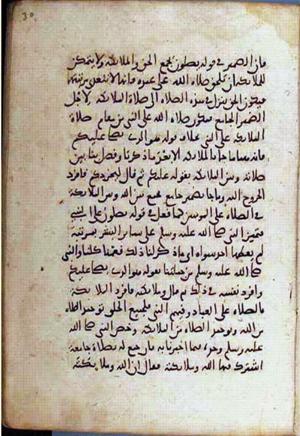
Manuscript imageManuscript volume 8 · Page 60

Arabic and English are linked by the same Konya page ID. Page alignment is approximate; consult the manuscript image for verification.

Cairo source reference

Ibn al-Arabi, The Meccan Revelations — Manuscript volume 8 · Page 60 — https://www.futmak.com/english/konya/pages.php?id=2272&text=both