
Futmak · الفتوحات المكية · Meccan Revelations

The Meccan Revelations

Manuscript volume 7 · Page 305

Konya manuscript

Open Arabic sourceOpen English translation

Arabic

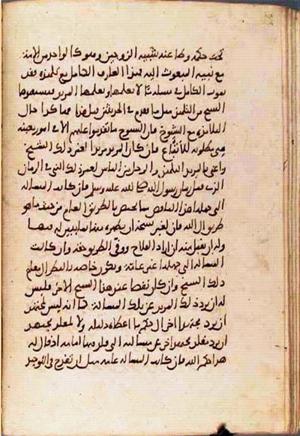
تحت حكمه وطاعته، شبيه الزوجين، وهو كالواحد من الأمة مع نبيه المبعوث إليه.

(تعليم الشيخ والمريد)

فهٰذا العارف الكامل مع تلميذه، فقد يموت الكامل في مسألة ما لا يعلمها، ويعلمها المريد، فيشهدها الشيخ من التلميذ، مثل ما تقدم في الحديثين قبل هٰذا، فهكذا حال التلامذة مع الشيوخ، فإن الشيوخ ما تقدموا عليهم إلا في أمور معينة، هي مطلوبة للاتباع.

فإن كان المريد مريدا لغير ذٰلك الشيخ، وأعني بالمريد التلميذ، والرجل من الناس لغير ذٰلك النبي في الزمان الذي قبل زمان رسول الله صلى الله عليه وسلم.

فإن كانت المسألة التي جهلها هٰذا الناقص مما تختص بالطريق العام، من حيث ما هو طريق إلى الله، فإن لغير شيخه أن يطهره منها بما تبين له فيها، وله أن يقبل منه، إن أراد الفلاح، ووفى الطريق حقه.

وإن كانت المسألة التي جهلها غير عامة، وتكون خاصة بالنظر إلى مقام ذٰلك الشيخ، وإن كان نقصا عند هٰذا الشيخ الآخر، فليس له أن يرد ذٰلك المريد عن تلك المسألة، كما أنه ليس لمجتهد أن يرد مجتهدا آخر إلى حكم ما أعطاه دليله، ولا لمقلد مجتهد أن يرد مقلد مجتهد آخر عن مسألته التي قلد فيها إمامه، إذ قال له «هٰذا حكم الله».

(البلاغ والقبول)

فإن كانت المسألة عامة، مثل أن تقدح في التوحيد،
English

under his authority and obedience, like the two spouses, or like a member of a community in relation to the prophet sent to it.

(The Teaching of the Shaykh and the Disciple)

Such is the complete knower with his student. The complete person may die in a particular matter he does not know but which the disciple knows. The shaykh then witnesses it through the student, as in the two reports mentioned earlier. This is how students stand in relation to shaykhs, for the shaykhs have precedence over them only in particular matters in which following is required.

If the disciple belongs to another shaykh, by disciple I mean a student, and likewise if someone belongs to another prophet, in the period before the time of the Messenger of God, may God bless him and grant him peace,

then if the matter this incomplete person does not know belongs to the general path as a path to God, someone other than his shaykh may purify him of it through what has become clear to him concerning it. The disciple may accept this from him if he wishes to succeed and give the path its due.

If the matter he does not know is not general, but is particular in relation to that shaykh’s station, even though it is a deficiency in the eyes of this other shaykh, the latter may not turn the disciple away from it. Likewise, one qualified interpreter may not bring another back to the ruling his own proof has yielded, nor may a follower of one interpreter turn the follower of another away from the matter in which he has followed his leader, who told him, “This is God’s ruling.”

(Conveying and Accepting)

If the matter is general, such as one that undermines the affirmation of God’s oneness,

Manuscript imageManuscript volume 7 · Page 305

Arabic and English are linked by the same Konya page ID. Page alignment is approximate; consult the manuscript image for verification.

Cairo source reference

Ibn al-Arabi, The Meccan Revelations — Manuscript volume 7 · Page 305 — https://www.futmak.com/english/konya/pages.php?id=2199&text=both