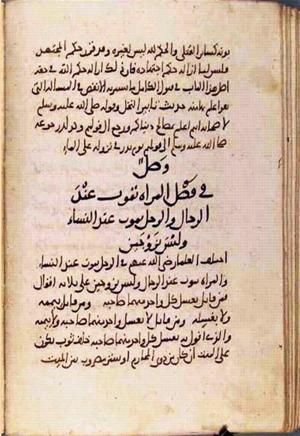
his body, like the rest of those killed. Judgment belongs to God alone, and He has confirmed the ruling of the qualified interpreter. We may not remove the ruling of his independent interpretation, for that would remove God’s ruling in his case.
(Accepting Knowledge from One Who Knows the Matter Better)
The basis of this discussion, concerning the complete person accepting guidance from the incomplete person in a matter the latter knows better, is the hadith of pollinating the date palms. He, may God bless him and grant him peace, told his Companions, “You know better the interests of your worldly life,” and deferred to their advice. Likewise, he, may God bless him and grant him peace, deferred to their advice on the Day of Badr concerning where to camp by the water.
Continuation on the Section Concerning a Woman Who Dies among Men or a Man Who Dies among Women, When They Are Not Spouses
The scholars, may God be pleased with them, disagree in three ways concerning a man who dies among women or a woman who dies among men, when they are not spouses. Some say that each may wash the other. Some say that each performs dry ablution for the other, without washing. Some say that neither washes the other nor performs dry ablution for the other.
My position is that each washes the other, beneath a cloth placed over the deceased if they are relatives forbidden to marry, or with a screen set up between the deceased
Notes
Translator’s note TN2197-1: The “complete” person may still receive instruction from someone less complete in a particular field of knowledge. The two reports serve as precedents for that distinction.