The Meccan Revelations

Manuscript volume 7 · Page 165

Konya manuscript

Open Arabic sourceOpen English translation

Arabic

فمن العلماء من استحب الأسرار؛ ومنهم من استحب الجهر؛ ومنهم من خير.

والذي أذهب إليه، إذ لم يرد في ذٰلك نص يوقف عنده، أن يسمع بالقراءة نفسه من جهة سمعه، بحيث أن لا يسمع غيره قراءته، وهي حالة بين الجهر والأسرار، مناسبة لوقتها.

(الفجر بين الليل والنهار)

فإن وقتها وقت برزخي بين الليل والنهار، ما هو ليل فيجهر، ولا هو نهار فيسر، ولو لا إن النص في قراءة فرض الصبح ورد بالجهر، لكان الحكم فيها كذٰلك.

نعم صلاة المغرب جمعت بين الجهر لما فيها من الليل، وبين الأسرار لما فيها من النهار.

فأشبهت في الوقت النائم، فإن النائم في موطن برزخي، فيكون النائم يرى في نومه صيحات وزعقات وأمورا عظاما، والذي إلى جانبه لا يعلم بما هو فيه هٰذا النائم.

فمعاملة الوقت بهذه الصفة من القراءة، أولى للمناسبة، وليفرق بمثل هذه الصفة في القراءة بينها وبين قراءة صلاة الصبح، لتتميز من الفريضة، ومن الحكمة تميز المراتب، وارتفاع اللبس في الأشياء.

ومع هٰذا فالذي عندي إنه مخير.

والذي يقول بالجهر يلحقها بصلاة الليل، لأن الليل ما لم تطلع الشمس، في العرف، لا في الشرع، والذي يسرها يجعل طلوع الفجر
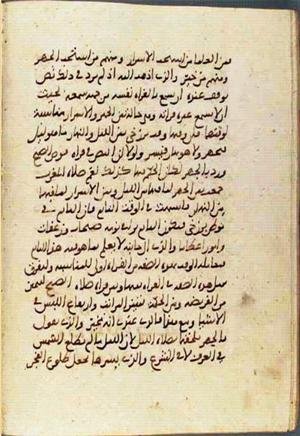
English

Some scholars recommended quiet recitation, some recommended audible recitation, and some left a choice.

Since no explicit text has come down in this matter at which one must stop, my position is that one should recite so that one’s own ears hear it while no one else hears. This is a state between audible and quiet recitation, appropriate to its time.

(Dawn Between Night and Day)

Its time is an isthmus between night and day. It belongs wholly to neither the night, which calls for audible recitation, nor the day, which calls for quiet recitation. Were it not for the explicit text prescribing audible recitation in the obligatory dawn prayer, the same ruling would apply to it.

The sunset prayer, indeed, combines audible recitation on account of its share in the night with quiet recitation on account of its share in the day.

In its time the prayer resembles a sleeper, for a sleeper occupies an intermediate domain. In sleep he sees cries, shouts, and tremendous events, while the person beside him knows nothing of what this sleeper is experiencing.

It is preferable to treat the time with this mode of recitation because it corresponds to it. This mode also distinguishes the recitation in these two units from recitation in the dawn prayer, separating them from the obligatory prayer. Wisdom calls for distinguishing ranks and removing confusion between things.

Even so, I hold that one has a choice.

Those who favor audible recitation attach it to night prayer, because in customary usage, as distinct from the Law, night continues until sunrise. Those who recite it quietly count the appearance of dawn

Notes

Translator’s note TN2059-1: The subject is the two voluntary units of the dawn Sunnah. After the comparison with sunset prayer, the discussion returns to their intermediate time. “An isthmus” renders barzakh, a domain between two sides.

Manuscript imageManuscript volume 7 · Page 165

Arabic and English are linked by the same Konya page ID. Page alignment is approximate; consult the manuscript image for verification.

Cairo source reference

Ibn al-Arabi, The Meccan Revelations — Manuscript volume 7 · Page 165 — https://www.futmak.com/english/konya/pages.php?id=2059&text=both