The Meccan Revelations

Manuscript volume 7 · Page 159

Konya manuscript

Open Arabic sourceOpen English translation

Arabic

فإذا خشي الصبح، أوتر بواحدة».

فكل قائل من العلماء له اعتبار خاص يسوغ له فيما ذهب إليه من ذٰلك.

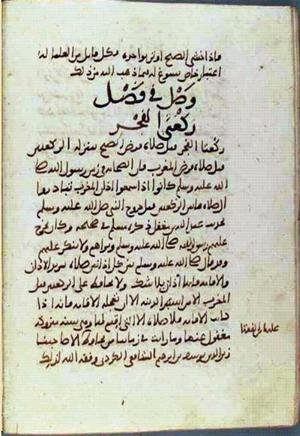
وصل في فصل ركعتي الفجر

ركعتا الفجر قبل صلاة فرض الصبح بمنزلة الركعتين قبل صلاة فرض المغرب، فإن الصحابة في زمن رسول الله صلى الله عليه وسلم كانوا إذا سمعوا أذان المغرب تبادروا إلى صلاة هاتين الركعتين، قبل خروج النبي صلى الله عليه وسلم، بحديث عبد الله بن مغفل، ذكره مسلم في صحيحه، وكان يخرج عليهم رسول الله صلى الله عليه وسلم، ويراهم، ولا ينكر عليهم.

وقد قال صلى الله عليه وسلم: «بين كل أذانين صلاة»، يريد الأذان والإقامة، فإنها أذان بلا شك.

ولا يحافظ على الركعتين قبل المغرب إلا من استبرأ لدينه، إلا أن تعجله الإقامة، فإنه إذا كانت الإقامة فلا صلاة إلا التي أقيم لها، وهي سنة متروكة مغفول عنها، وما رأيت في زماننا من يحافظ عليها من الفقهاء إلا صاحبنا زين الدين يوسف بن إبراهيم الشافعي الكردي، وفقه الله لذٰلك.
English

and when he fears the coming of dawn, he performs Witr with one cycle.”

Each position held by the scholars has a particular inward application that warrants the view adopted.

Continuation on the Section Concerning the Two Cycles of the Dawn Sunnah

The two cycles before the obligatory dawn prayer are like the two cycles before the obligatory sunset prayer. In the time of the Messenger of God, may God bless him and grant him peace, when the Companions heard the call to the sunset prayer, they would hasten to perform these two cycles before the Prophet, may God bless him and grant him peace, came out. This is in the hadith of ʿAbd Allāh ibn Mughaffal that Muslim mentioned in his Ṣaḥīḥ. The Messenger of God, may God bless him and grant him peace, would come out to them and see them without objecting.

He, may God bless him and grant him peace, said, “Between every two calls there is a prayer.” He meant the first call and the immediate call to prayer, for the latter is unquestionably also a call.

Only someone who is careful to safeguard his religion keeps up the two cycles before the sunset prayer, unless the immediate call to prayer leaves him no time. When that call is made, there is no prayer except the one for which it was made. This is a neglected Sunnah of which people are heedless. In our time I have seen no jurist keep it up except our companion Zayn al-Dīn Yūsuf ibn Ibrāhīm al-Shāfiʿī al-Kurdī. May God grant him success in it.

Manuscript imageManuscript volume 7 · Page 159

Arabic and English are linked by the same Konya page ID. Page alignment is approximate; consult the manuscript image for verification.

Cairo source reference

Ibn al-Arabi, The Meccan Revelations — Manuscript volume 7 · Page 159 — https://www.futmak.com/english/konya/pages.php?id=2053&text=both