He gave the salutation after two units and prostrated (3).
He gave the salutation after three units and prostrated (4).
He prayed five units in forgetfulness and prostrated (5).
People disagree about his prostration. Did he prostrate because of the addition and omission or because he forgot? Some say it was because of his forgetfulness. Others say it was because of the addition and omission.
My view is that he prostrated for both. One prostration was for his forgetfulness, and the second was for the addition or omission. It completed what was lacking when there was an omission and added good when there was an addition, “light upon light.”
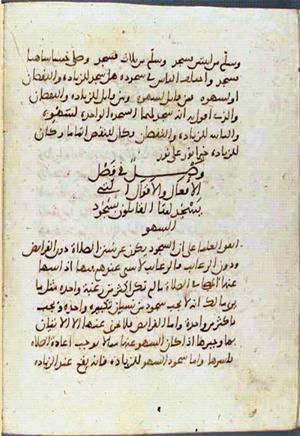
Continuation in the Section on the Acts and Words for Which Those Who Prescribe Prostration for Forgetfulness Prostrate
The scholars agree that prostration for forgetfulness is for the Sunna practices of prayer, as distinct from the obligatory and recommended practices. In their view, nothing is due when a person forgets a recommended practice in prayer unless he forgets more than one. Mālik, for example, holds that there is no obligation to prostrate when one forgets a single takbīr, but that there is an obligation for more than one.
Obligatory acts can be made good only by performing and thereby repairing them, provided the omission is of a kind that does not require repeating the entire prayer.
As for prostration for forgetfulness because of an addition, it applies when there is an addition
Notes
Translator’s note TN2017-1: The distinction here is between obligatory acts (farāʾiḍ), Sunna practices (sunan), and recommended practices (raghāʾib). The following page places the last two under recommendation while distinguishing degrees of emphasis.