
Futmak · الفتوحات المكية · Meccan Revelations

The Meccan Revelations

Manuscript volume 7 · Page 122

Konya manuscript

Open Arabic sourceOpen English translation

Arabic

وهو مقام الصديق «ما رأيت شيئا إلا رأيت الله قبله».

وإن قدم نظره في نفسه على نظره في ربه، كما قال صلى الله عليه وسلم: «من عرف نفسه عرف ربه»، كان كمن سجد بعد السلام، وهو مقام من قال: «ما رأيت شيئا إلا رأيت الله بعده»، وهو مقام أصحاب الأدلة العقلية على وجود الصانع، أي ما رأيت شيئا إلا وكان لي دليلا على الله، فهو يتقلب في الأدلة دائما.

(سهو النقص في الفكر وسهو الزيادة في الخيال)

وأما الزيادة والنقصان، فهو للعقل ما نقصه من حيث فكره من علمه بربه، مما لا يستقل بدركه مما وصفه به الشارع، بعد ذٰلك، ولم يكن العقل يدل على إن ذٰلك الوصف يستحقه جلال الله، بل كان يحيله عليه، معنى وإطلاقا.

وأما الزيادة فما يحكم به الخيال على ربه من التقييد والتحديد، من غير اعتقاد تنزيه فيما قيده به وحدده، فهٰذا سهو الزيادة، وذلك سهو النقصان، فإن الله يقول: ﴿لَيْسَ كَمِثْلِهِ شَيْءٌ وهُوَ السَّمِيعُ الْبَصِيرُ﴾ [الشورى: ١١] ف ﴿لَيْسَ كَمِثْلِهِ شَيْءٌ﴾ من هذه الآية، هو دليل العقل ﴿وهُوَ السَّمِيعُ الْبَصِيرُ﴾، هو دليل السمع، فجمع معتقد هٰذا بين الدليلين السمعي والعقلي.

(المواضع الخمسة المذكورة في السجود)

وأما المواضع التي سجد فيها رسول الله صلى الله عليه وسلم فهي خمسة:

شك فسجد (1).

وقام من اثنتين ولم يجلس فسجد (2).
English

This is the station of al-Ṣiddīq, “I have never seen a thing without seeing God before it.”

If he considers himself before considering his Lord, as he, may God bless him and grant him peace, said, “Whoever knows himself knows his Lord,” he is like someone who prostrates after the salutation. This is the station of the one who said, “I have never seen a thing without seeing God after it.” It is the station of those who use rational proofs for the existence of the Maker. That is, I have never seen a thing without its being a proof of God for me. Such a person moves continually among proofs.

(The Forgetfulness of Omission in Thought and of Addition in Imagination)

As for addition and omission, omission concerns what the intellect lacks in its knowledge of its Lord by way of reflection. This is what it cannot apprehend on its own of the attributes that the Lawgiver later ascribes to Him. The intellect had given no indication that God’s majesty deserved such a description. Rather, it had held the description impossible for Him, both in meaning and in its application.

Addition is what imagination imposes upon its Lord by way of restriction and definition, without affirming His incomparability in respect of what it restricts and defines. This is forgetfulness by addition, while the other is forgetfulness by omission. God says, “Nothing is like Him, and He is the Hearing, the Seeing” [al-Shura 42:11]. The words “Nothing is like Him” in this verse are the proof of reason, and “He is the Hearing, the Seeing” is the proof of transmitted revelation. Whoever believes this has brought the two proofs together, the transmitted and the rational.

(The Five Cases Mentioned for Prostration)

The cases in which the Messenger of God, may God bless him and grant him peace, prostrated are five.

He was in doubt and prostrated (1).

He rose after two units without sitting, and prostrated (2).

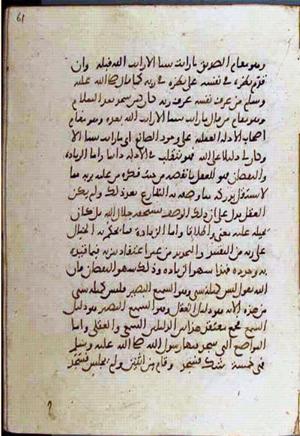
Manuscript imageManuscript volume 7 · Page 122

Arabic and English are linked by the same Konya page ID. Page alignment is approximate; consult the manuscript image for verification.

Cairo source reference

Ibn al-Arabi, The Meccan Revelations — Manuscript volume 7 · Page 122 — https://www.futmak.com/english/konya/pages.php?id=2016&text=both