
Futmak · الفتوحات المكية · Meccan Revelations

The Meccan Revelations

Manuscript volume 7 · Page 121

Konya manuscript

Open Arabic sourceOpen English translation

Arabic

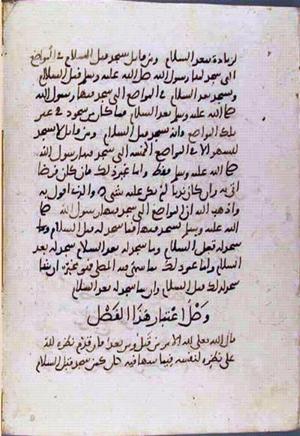
لزيادة فبعد السلام.

ومن قائل يسجد قبل السلام في المواضع التي سجد لها رسول الله صلى الله عليه وسلم قبل السلام، ويسجد بعد السلام في المواضع التي سجد فيها رسول الله صلى الله عليه وسلم بعد السلام، فما كان من سجود في غير تلك المواضع، فإنه يسجد قبل السلام.

ومن قائل لا يسجد للسهو إلا في المواضع الخمسة التي سجد فيها رسول الله صلى الله عليه وسلم فقط، وأما غير ذٰلك، فإن كان فرضا أتى به، وإن كان ندبا، لم يكن عليه شيء.

والذي أقول به واذهب إليه أن المواضع التي سجد فيها رسول الله صلى الله عليه وسلم يسجد فيها، فما سجد له قبل السلام سجد له قبل السلام، وما سجد له بعد السلام سجد له بعد السلام.

وأما غير ذٰلك مما سها فيه المصلي، فهو مخير، إن شاء سجد لذٰلك قبل السلام، وإن شاء سجد له بعد السلام.

وصل اعتبار هٰذا الفصل

قال الله تعالى: ﴿لِلَّهِ الْأَمْرُ من قَبْلُ ومن بَعْدُ﴾ [الروم: ٤]، فإن قدم (العبد) نظره لله على نظره لنفسه فيما سها فيه، كان كمن سجد قبل السلام،
English

for an addition, it is after the salutation.

Some say that one prostrates before the salutation in the cases in which the Messenger of God, may God bless him and grant him peace, prostrated before the salutation, and after the salutation in the cases in which the Messenger of God, may God bless him and grant him peace, prostrated after it. For anything outside those cases, one prostrates before the salutation.

Some say that one prostrates for forgetfulness only in the five cases in which the Messenger of God, may God bless him and grant him peace, prostrated. In other cases, if the omitted act was obligatory, one performs it. If it was recommended, nothing is due.

My position is that one prostrates in the cases in which the Messenger of God, may God bless him and grant him peace, prostrated. Where he prostrated before the salutation, one prostrates before it, and where he prostrated after it, one prostrates after it.

In any other case of forgetfulness in prayer, one has a choice. If one wishes, one prostrates before the salutation, and if one wishes, one prostrates after it.

Continuation on the Inward Application of This Section

God, exalted is He, said, “To God belongs the command before and after” [al-Rum 30:4]. If the servant considers God before considering himself in the matter he forgot, he is like someone who prostrates before the salutation.

Manuscript imageManuscript volume 7 · Page 121

Arabic and English are linked by the same Konya page ID. Page alignment is approximate; consult the manuscript image for verification.

Cairo source reference

Ibn al-Arabi, The Meccan Revelations — Manuscript volume 7 · Page 121 — https://www.futmak.com/english/konya/pages.php?id=2015&text=both