
Futmak · الفتوحات المكية · Meccan Revelations

The Meccan Revelations

Manuscript volume 7 · Page 106

Konya manuscript

Open Arabic sourceOpen English translation

Arabic

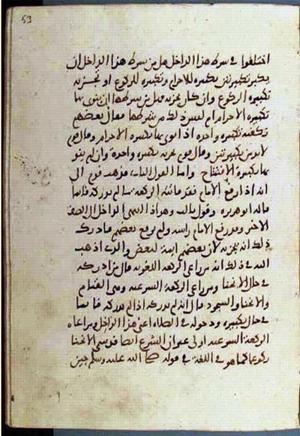
اختلفوا في شرط هٰذا الداخل، هل من شرط هٰذا الداخل أن يكبر تكبيرتين، تكبيرة للإحرام، وتكبيرة للركوع، أو تجزيه تكبيرة الركوع؟ وإن كان يجزيه، فهل من شرطها أن ينوي بها تكبيرة الإحرام، أم ليس ذٰلك من شرطها؟

فقال بعضهم تكفيه تكبيرة واحدة، إذا نوى بها تكبيرة الإحرام؛ وقال قوم لا بد من تكبيرتين؛ وقال قوم تجزيه تكبيرة واحدة، وإن لم ينو بها تكبيرة الافتتاح.

وأما القول الثاني، فذهب قوم إلى أنه إذا رفع الإمام، فقد فاتته الركعة ما لم يدركه قائما، قاله أبو هريرة.

وقول ثالث، وهو إذا انتهى الداخل إلى الصف الأخير، وقد رفع الإمام رأسه، ولم يرفع بعضهم، فأدرك ذٰلك أنه يجزيه، لأن بعضهم أئمة لبعض.

(الركعة اللغوية والركعة الشرعية)

والذي أذهب إليه في ذٰلك، أنه من راعى الركعة اللغوية، قال من أدركه في حال الانحناء، ومن راعى الركعة الشرعية، وهي القيام، والانحناء، والسجود، قال إنه لم يدركه إذا لم يدركه قائما، في حال تكبيره ودخوله في الصلاة، أعني هٰذا الداخل.

ومراعاة الركعة الشرعية أولى، غير أن الشرع أيضا قد سمي الانحناء ركوعا، كما هو في اللغة في قوله صلى الله عليه وسلم، حين
English

disagree over what is required of this person entering. Must he say two takbīrs, one to enter the consecrated state and one for bowing, or does the takbīr for bowing suffice? If it suffices, must he intend it as the opening takbīr, or is that not a condition?

Some say one takbīr suffices if he intends it as the opening takbīr. Others say there must be two. Others say one suffices even if he does not intend it as the opening takbīr.

As for the second position, some hold that once the imam has risen, the unit of prayer has been missed unless the person caught him while he was standing. This is Abū Hurayrah’s position.

A third position holds that if the person entering reaches the last row when the imam has raised his head but some of the others have not, and he catches that, it suffices, since some of them are imams for others.

(The Unit of Prayer in Ordinary Arabic and in the Revealed Law)

My position is that whoever considers the unit of prayer in the ordinary Arabic sense says it is caught if the imam is caught in the act of bending. Whoever considers the unit as defined by the revealed Law, comprising standing, bending, and prostration, says the person entering has not caught it if he did not catch the imam standing when he said the takbīr and entered prayer. I mean the person entering.

The legally defined unit of prayer deserves greater consideration. Yet the revealed Law also calls the act of bending “bowing,” just as ordinary Arabic does, in the saying of the Prophet, may God bless him and grant him peace. When

Notes

Translator’s note TN2000-1: Rakʿah can refer to a single bow in ordinary Arabic and to a full unit of the prayer in legal usage. The argument turns on whether reaching the bowing alone counts as reaching that whole unit.

Manuscript imageManuscript volume 7 · Page 106

Arabic and English are linked by the same Konya page ID. Page alignment is approximate; consult the manuscript image for verification.

Cairo source reference

Ibn al-Arabi, The Meccan Revelations — Manuscript volume 7 · Page 106 — https://www.futmak.com/english/konya/pages.php?id=2000&text=both