
Futmak · الفتوحات المكية · Meccan Revelations

The Meccan Revelations

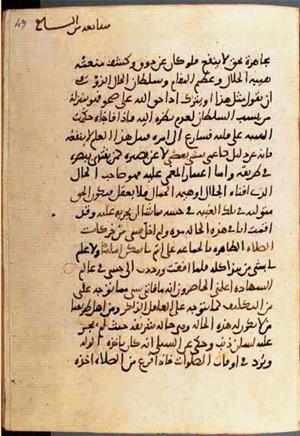
Manuscript volume 7 · Page 98

Konya manuscript

Open Arabic sourceOpen English translation

Arabic

مجاهرة بحق لا ينفع.

فلو كان عن ذوق وكشف، منعته هيبة الجلال، وعظيم المقام، وسلطان الحال الذوقي أن يقول مثل هٰذا، أو يترك أداء حق الله على صحو.

فهو بمنزلة من يسب السلطان لعدم نظره إليه، فإذا فاجأه حكمت الهيبة على قلبه، فسارع إلى أمره، فمثل هٰذا العلم لا ينفعه، فإنه عن دليل، كأعمى يمشي بعصا، لا عن بصيرة، كمن يقتدي ببصره في طريقه.

(الفناء وحفظ صورة العبادة)

وأما اعتبار المغمى عليه، فهو صاحب الحال الذي أفناه الجلال، أو هيمه الجمال، فلا يعقل، فيكون الحق متوليه في تلك الغيبة في حسه، بما شاء أن يجريه عليه.

وقد أقمت أنا في هذه الحالة مدة[44]، ولم أخل بشيء من حركات الصلاة الظاهرة، بالجماعة على أتم ما يمكن، إماما، ولا علم لي بشيء من هٰذا كله.

فلما أفقت، ورددت إلى حسي في عالم الشهادة، أعلمني الحاضرون أنه ما فاتني شيء مما توجه علي من التكليف، كما يتوجه على العاقل الذاكر.

ومن أهل طريقنا من لا تكون له هذه الحالة، وهي حالة شريفة، حيث لم يجر عليه لسان ذنب.

و حكي عن الشبلي أنه كان يأخذه الوله، ويرد في أوقات الصلوات، فإذا فرغ من الصلاة، أخذه

Notes

[44]

(ينتقل المؤلف هنا إلى خبر عن تجربته الخاصة كما يرويها، ثم يذكر ما أعلمه به الحاضرون بعد رجوعه إلى الحس.)
English

an open avowal of a truth that brings no benefit.

Had it come from tasting and unveiling, the awe of majesty, the magnitude of the station, and the sway of the tasted state would have kept him from saying such a thing or omitting what is due to God while sober.

He is like someone who reviles the ruler because he does not see him. When the ruler suddenly appears to him, awe takes hold of his heart and he hastens to obey his command. Knowledge of this kind does not benefit him, for it is from proof, like a blind person walking with a staff, apart from direct insight, like someone guided by his sight on the way.

(Passing Away and the Preservation of the Form of Worship)

The person who loses consciousness corresponds inwardly to one in a state in which majesty has made him pass away from awareness or beauty has made him beside himself, so he has no understanding. In that absence from his senses, the Real takes charge of him according to what He wills to make occur through him.

I remained in this state for a time[44]. I omitted none of the outward movements of the prayer and performed it in congregation as completely as possible, as imam, though I knew nothing of any of this.

When I came to and was returned to my senses in the world of witnessing, those who were present informed me that I had missed none of the obligations that applied to me, just as they apply to someone who is rational and remembers.

Some of the people of our path do not experience this state. It is a noble state, since the tongue of sin has had no claim against the one in it.

It is related that al-Shiblī used to be seized by bewilderment and would be brought back at the prayer times. When he finished praying, he would again be seized by

Notes

[44]

(The author shifts here to an account of his own experience as he relates it, then reports what those present told him after he returned to sensory awareness.)

Translator’s note TN1992-1: Passing away (fanāʾ) here concerns absence from sensory awareness. The author distinguishes it from outward inactivity by reporting that those present saw him lead the prayer while he had no awareness of it.

Manuscript imageManuscript volume 7 · Page 98

Arabic and English are linked by the same Konya page ID. Page alignment is approximate; consult the manuscript image for verification.

Cairo source reference

Ibn al-Arabi, The Meccan Revelations — Manuscript volume 7 · Page 98 — https://www.futmak.com/english/konya/pages.php?id=1992&text=both