
Futmak · الفتوحات المكية · Meccan Revelations

The Meccan Revelations

Manuscript volume 7 · Page 86

Konya manuscript

Open Arabic sourceOpen English translation

Arabic

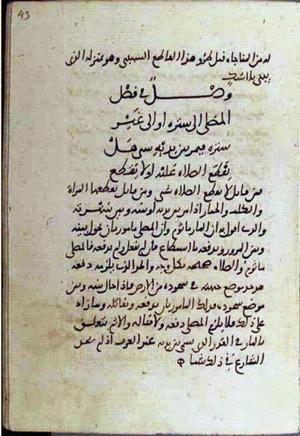
له من المناجاة قبل طروء هٰذا القاطع السببي، وهو بمنزلة الذي يبنى بلا شك.

وصل في فصل المصلي إلى سترة أو إلى غير سترة فيمر بين يديه شيء هل يقطع الصلاة عليه أو لا يقطع؟

فمن قائل لا يقطع الصلاة شيء؛ ومن قائل يقطعها المرأة والكلب والحمار، إذا مر بين يديه، أو بينه وبين سترته.

والذي أقول به إن المار مأثوم، وأن المصلي مأمور بأن يحول بينه وبين المرور، ويدفعه ما استطاع، فإن لم يفعل، ولم يدفعه، فالمصلي مأثوم، والصلاة صحيحة بكل وجه.

والحد الذي يلزمه دفعه، هو حد موضع جبهته في سجوده من الأرض، فإذا حال بينه وبين موضع سجوده، فذٰلك المأمور بأن يدفعه ويقاتله، وما زاد على ذٰلك فلا يلزم المصلي دفعه، ولا قتاله، والإثم يتعلق بالمار في القدر الذي يسمى بين يديه عند العرب، إذ لم يحد الشارع في ذٰلك شيئا.
English

before this interruption through a cause arose. He is like one who may undoubtedly resume where he left off.

Continuation on Whether Something Passing in Front of the Person Praying Interrupts Prayer, With or Without a Screen

Some say nothing interrupts the prayer. Others say that a woman, a dog, or a donkey interrupts it if it passes in front of the person praying, or between him and his screen.

I hold that the passerby incurs sin, and that the person praying is commanded to prevent the passage and repel the passerby to the extent he can. If he does nothing and fails to repel him, he incurs sin, and the prayer remains valid in every respect.

His obligation to repel a passerby extends as far as the spot on the ground where his forehead rests in prostration. If someone comes between him and the place of his prostration, that is the person he is commanded to repel and fight. Beyond that, the worshipper has no obligation to repel or fight him. The passerby incurs sin within the distance the Arabs call “in front of him,” since the Lawgiver has set no distance in this matter.

Notes

Translator’s note TN1980-1: The screen (sutrah) marks the space in front of someone praying. The text distinguishes the worshipper’s duty to repel a passerby from the validity of the prayer.

Manuscript imageManuscript volume 7 · Page 86

Arabic and English are linked by the same Konya page ID. Page alignment is approximate; consult the manuscript image for verification.

Cairo source reference

Ibn al-Arabi, The Meccan Revelations — Manuscript volume 7 · Page 86 — https://www.futmak.com/english/konya/pages.php?id=1980&text=both