
Futmak · الفتوحات المكية · Meccan Revelations

The Meccan Revelations

Manuscript volume 7 · Page 55

Konya manuscript

Open Arabic sourceOpen English translation

Arabic

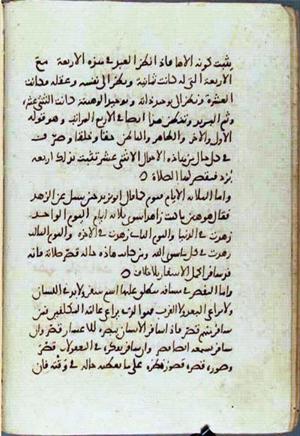
يثبت كونه إلها.

فإذا نظر العبد في هذه الأربعة مع الأربعة التي له، كانت ثمانية، ونظر إلى نفسه وعقله، فكانت العشرة، ونظر إلى توحيد ذاته وتوحيد ألوهيته، كانت الاثنتا عشرة، وثم البريد.

وتنظر هٰذا أيضا في الأربع المراتب، وهو قوله: ﴿الْأَوَّلُ والْآخِرُ والظَّاهِرُ والْباطِنُ﴾ [الحديد: ٣]، حقا وخلقا، وصرف في كل حال من هذه الأحوال الاثنتي عشر، تثبت بذٰلك أربعة برد، فيقصر لها الصلاة.

(اعتبار الأيام وعموم السفر)

وأما الثلاثة الأيام، فيوم كما قال أبو يزيد، حين سئل عن الزهد، فقال: «هو هين ما كنت زاهدا سوى ثلاثة أيام اليوم الواحد زهدت في الدنيا واليوم الثاني زهدت في الآخرة واليوم الثالث زهدت في كل ما سوى الله»، ومن كانت هذه حاله، قصر صلاته، فإنه قد سافر أكمل الأسفار بلا خلاف.

وأما المقصر في مسافة ينطلق عليها اسم سفر، ولا بد في اللسان، ولا يراعى البعد ولا القرب، فهو الذي يراعي عالمه المكلفين، فمن سافر منهم، قصر.

فإذا سافر الإنسان ببصره للاعتبار، قصر، وإن سافر بسمعه أيضا، قصر، وإن سافر بفكره في المعقولات، قصر، وصورة قصره قصور نظره على ما يعطيه حاله في وقته، فإن
English

that His being a deity is established.

When the servant considers these four alongside the four that belong to himself, there are eight. When he considers himself and his intellect, there are ten. When he considers the affirmation of the oneness of His Essence and the affirmation of the oneness of His divinity, there are twelve, and there is the postal stage.

Consider this also in the four ranks, in His words, “the First, the Last, the Manifest, and the Hidden” [al-Hadid 57:3], with respect to the Real and to creation. Apply the twelve in each of these states, and by that you establish four postal stages, for which the prayer is shortened.

(The Inward Application of the Days and of Travel in General)

As for the three days, each is a day of the kind that Abū Yazīd described when asked about renunciation. He said, “It is easy. I practiced renunciation for only three days. On the first day I renounced this world. On the second day I renounced the next world. On the third day I renounced everything other than God.” Someone in this state shortens his prayer, for he has traveled the most complete of journeys without dispute.

As for the one who shortens at any distance that necessarily falls under the name “travel” in the language, regardless of how far or near it is, he takes account of those under obligation in his own world. Whichever of them travels shortens.

When a person travels with his sight for the sake of inward application, he shortens. If he travels with his hearing as well, he shortens. If he travels with his thought among intelligible things, he shortens. His shortening takes the form of limiting his consideration to what his state in that moment gives him. If it

Manuscript imageManuscript volume 7 · Page 55

Arabic and English are linked by the same Konya page ID. Page alignment is approximate; consult the manuscript image for verification.

Cairo source reference

Ibn al-Arabi, The Meccan Revelations — Manuscript volume 7 · Page 55 — https://www.futmak.com/english/konya/pages.php?id=1949&text=both