
Futmak · الفتوحات المكية · Meccan Revelations

The Meccan Revelations

Manuscript volume 7 · Page 52

Konya manuscript

Open Arabic sourceOpen English translation

Arabic

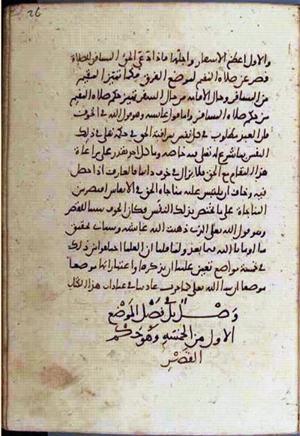
والأول أعظم الأسفار وأجلها.

فإذا دعا الحق المسافر للصلاة، قصر عن صلاة المقيم، لموضع الفرق، فكما تميز المقيم من المسافر، وحال الإقامة من حال السفر، تميز حكم صلاة المقيم من حكم صلاة المسافر.

(الخوف ومراقبة الأنفاس)

وأما قول عائشة، وهو قول الله في الخوف، فإن العبد مطلوب مطالب في كل نفس بمراقبة الحق في حكمه تعالى في ذٰلك النفس، بما شرع له تعالى فيه خاصة، وما كل أحد يقدر على مراعاة هٰذا المقام مع الحق، فلا يزال في خوف دائما.

فالعارف إذا حصل فيه، وخاف أن يلتبس عليه مناجاة الحق في الأنفاس، اقتصر من المناجاة على ما يختص بذٰلك النفس، فكان الخوف سببا للقصر، وهو قول الله تعالى الذي ذهبت إليه عائشة، وسيأتي تحقيق ما أومأنا إليه فيما بعد.

ولما قلنا إن العلماء اختلفوا من ذٰلك في خمسة مواضع، تعين علينا إن نذكرها واعتباراتها، موضعا موضعا إن شاء الله تعالى، كما جرت عادتنا في عبادات هٰذا الكتاب.

وصل في فصل الموضع الأول من الخمسة و هو حكم القصر
English

and the first is the greatest and most exalted of journeys.

When the Real summons the traveler to prayer, the traveler shortens it relative to the resident’s prayer, on account of the difference. Just as a resident is distinguished from a traveler, and residence from travel, so the ruling on the resident’s prayer is distinguished from the ruling on the traveler’s prayer.

(Fear and Attending to the Breaths)

As for ʿĀʾishah’s position, which is God’s statement concerning fear, in every breath the servant is called upon and required to attend to the Real in His ruling, exalted is He, in that breath, by means of what He has specifically prescribed for the servant in it. It is beyond many people to attend to this station with the Real, so the servant remains continually in fear.

When one who knows attains this station and fears that his intimate discourse with the Real in the breaths may become confused, he limits his intimate discourse to what belongs specifically to that breath. Fear thus becomes a reason for shortening, which is the import of the words of God Most High that ʿĀʾishah followed. A fuller explanation of what we have indicated will come later.

Since we said that the scholars differed on five points concerning this, it falls to us to mention them and their inward applications one by one, God Most High willing, as we have done with the acts of worship in this book.

Continuation on the First of the Five Points, the Ruling on Shortening

Manuscript imageManuscript volume 7 · Page 52

Arabic and English are linked by the same Konya page ID. Page alignment is approximate; consult the manuscript image for verification.

Cairo source reference

Ibn al-Arabi, The Meccan Revelations — Manuscript volume 7 · Page 52 — https://www.futmak.com/english/konya/pages.php?id=1946&text=both