
Futmak · الفتوحات المكية · Meccan Revelations

The Meccan Revelations

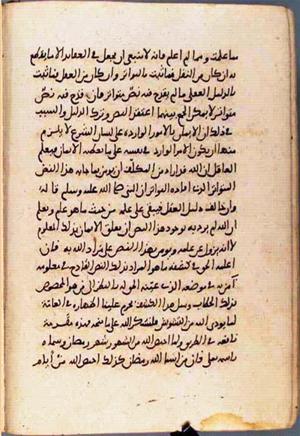
Manuscript volume 7 · Page 37

Konya manuscript

Open Arabic sourceOpen English translation

Arabic

مما علمت، ومما لم أعلم.

فإنه لا ينبغي أن يجعل في العقائد إلا ما يقطع به، إن كان من النقل فما ثبت بالتواتر، وإن كان من العقل فما ثبت بالدليل العقلي، ما لم يقدح فيه نص متواتر، فإن قدح فيه نص متواتر لا يمكن الجمع بينهما، اعتقد النص، وترك الدليل.

والسبب في ذٰلك أن الايمان بالأمور الواردة على لسان الشرع لا يلزم منها أن يكون الأمر الوارد في نفسه على ما يعطيه الايمان، فيعلم العاقل أن الله قد أراد من المكلف أن يؤمن بما جاء به هٰذا النص المتواتر الذي أفاده التواتر أن النبي ص قاله، وإن خالف دليل العقل، فيبقى على علمه من حيث ما هو علم، ويعلم أن الله لم يرد به بوجود هٰذا النص أن يعلق الايمان بذٰلك المعلوم، لا أنه يزول عن علمه، ويؤمن بهٰذا النص على مراد الله به.

فإن أعلمه الحق في كشفه ما هو المراد بذٰلك النص القادح في معلومه، آمن به في موضعه الذي عينه الحق له، بالنظر إلى من هو المخصوص بذٰلك الخطاب.

ومثل هٰذا الكشف يحرم علينا إظهاره في العامة، لما يؤدي إليه من التشويش، فلنشكر الله على ما منحه، فهذه مقدمة نافعة في الطريق.

(فضل اليوم وفضل ما يعرض فيه)

ولما اختص الله من الشهور شهر رمضان، وسماه باسمه تعالى، فإن من أسماء الله رمضان، كذٰلك اختص الله من أيام
English

whether I know it or do not know it.”

One should include in one’s beliefs only what is certain. In matters of transmission this means what is established through multiple independent chains. In matters of reason this means what is established by rational proof, provided no text transmitted by multiple independent chains calls it into question. If such a text calls it into question and they cannot be reconciled, he adopts the text as his belief and sets aside the proof.

The reason is that believing in the matters conveyed by revealed law does not entail that the matter conveyed is in itself as belief represents it. A rational person knows that God intended the person under obligation to believe what this widely transmitted text brings, since the multiplicity of transmission establishes that the Prophet, may God bless him and grant him peace, said it, even if it conflicts with rational proof. He therefore retains his knowledge insofar as it is knowledge. He knows that by bringing this text God intended him to refrain from making that known matter an article of faith. He still retains his knowledge of it and believes this text in accordance with what God intends by it.

If the Real makes known to him by unveiling what is meant by the text that challenges his knowledge, he believes in it in the place the Real has assigned it, with due regard to the one whom the address specifically concerns.

We are forbidden to disclose an unveiling of this kind to ordinary people, since it would cause confusion. Let us thank God for what He has granted. This is an introduction of use on the path.

(The Excellence of the Day and the Excellence of What Occurs in It)

Just as God singled out Ramadan from among the months and named it by His own name, for Ramadan is one of God’s names, so God singled out from among the days

Notes

Translator’s note TN1931-1: A report called mutawātir is transmitted through multiple independent chains and is treated here as certain. Ibn al-ʿArabī distinguishes the certainty that the Prophet uttered the report from knowing the precise meaning God intends by it.

Manuscript imageManuscript volume 7 · Page 37

Arabic and English are linked by the same Konya page ID. Page alignment is approximate; consult the manuscript image for verification.

Cairo source reference

Ibn al-Arabi, The Meccan Revelations — Manuscript volume 7 · Page 37 — https://www.futmak.com/english/konya/pages.php?id=1931&text=both