
Futmak · الفتوحات المكية · Meccan Revelations

The Meccan Revelations

Manuscript volume 6 · Page 302

Konya manuscript

Open Arabic sourceOpen English translation

Arabic

الإحرام مع الإمام.

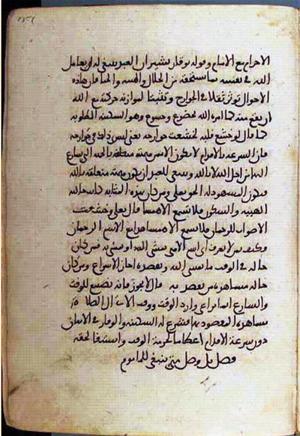
وقوله بوقار يشير أن العبد ينبغي له أن يعامل الله في نفسه بما يستحقه من الجلال والهيبة والحياء؛ فإن هذه الأحوال تؤثر ثقلا في الجوارح، وتثبّتا لموازنة حركته مع الله أن يقع منه كما أمره الله، بخضوع وخشوع، وهو السكينة المطلوبة. كما قال: لو خشع قلبه لخشعت جوارحه، يعني لسرى ذٰلك في جوارحه.

فإن السرعة بالإقدام لا تكون إلا ممن همته متعلقة بالجهة التي يسارع إليها من أجل الله، لا بالله. وينبغي للعبد أن تكون همته متعلقة بالله، فيكون المشهود له الحق تعالى. ومن كان بهذه المثابة كانت حالته الهيبة والسكون، فلا تسمع إلا همسا.

قال تعالى: ﴿وخَشَعَتِ الْأَصْواتُ لِلرَّحْمنِ فَلا تَسْمَعُ إِلَّا هَمْساً﴾ [طه: ١٠٨]. هٰذا مع الاسم الرحمن، فكيف بمن لا يعرف أي اسم إلهي يمشي إليه أو يمشي به؟ فمن كان حاله في الوقت ما يمشي إليه ويقصده أجاز الإسراع، ومن كان حاله مشاهدة من يقصد به قال لا يجوز، فإنه تضييع للوقت.

والشارع إنما يراعي وارد الوقت، ووقت الآتي إلى الصلاة مشاهدة المقصود بها؛ فشرع له السكينة والوقار في الإتيان دون سرعة الأقدام، إعظاما لحرمة الوقت واستيفاء لحقه.

فصل بل وصل متى ينبغي للمأموم
English

the opening takbīr with the imam.

His saying “with dignity” indicates that the servant should conduct himself inwardly with God according to what His majesty calls for of awe and modesty. These states lend weight to the limbs and steady them, so that his movement with God is duly measured and takes place as God commanded, with submission and humble reverence. This is the tranquility sought. As he said, “If his heart were humbly reverent, his limbs would be humbly reverent,” meaning that it would permeate his limbs.

Hurrying on foot comes only from someone whose aspiration is fixed on the direction in which he hastens for God’s sake, without fixing his aspiration on God Himself. The servant should fix his aspiration on God, so that what he witnesses is the Real Most High. The state of a person who does this is awe and stillness, and you hear only a whisper.

The Most High says, “Voices fall hushed before the All-Merciful, and you hear only a whisper” [Ta Ha 20:108]. This is with the name the All-Merciful. How, then, is it with someone who does not know which divine name he is walking toward or by which name he walks? If his state at that moment is fixed on what he walks toward and seeks, he permits haste. If his state is to witness the One through whom he directs himself toward his aim, he says it is impermissible, for it wastes the moment.

The Lawgiver takes account of what comes to one in the moment. For a person coming to prayer, his moment is one of witnessing the One he seeks through it. The Lawgiver therefore prescribed tranquility and dignity when coming to it, in place of hurrying on foot, to honor the sanctity of the moment and give it its full due.

Section, or Rather Continuation, on When the Follower

Manuscript imageManuscript volume 6 · Page 302

Arabic and English are linked by the same Konya page ID. Page alignment is approximate; consult the manuscript image for verification.

Cairo source reference

Ibn al-Arabi, The Meccan Revelations — Manuscript volume 6 · Page 302 — https://www.futmak.com/english/konya/pages.php?id=1874&text=both