
Futmak · الفتوحات المكية · Meccan Revelations

The Meccan Revelations

Manuscript volume 6 · Page 141

Konya manuscript

Open Arabic sourceOpen English translation

Arabic

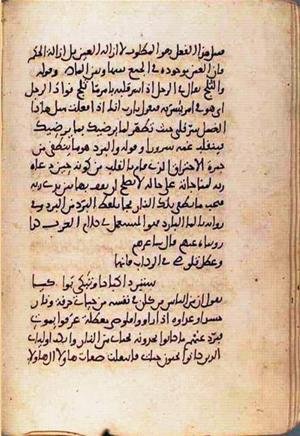
فمثل هٰذا الفعل هو المطلوب: لا إزالة العين، بل إزالة الحكم؛ فإن العين موجودة في الجمع بينها وبين الماء.

(دلالة الثلج والبرد)

وقوله والثلج يقال في الرجل إذا سر قلبه بأمر ما: ثَلِج فؤاد الرجل، أي هو في أمر يسر به فيقول يا رب إنك إذا فعلت مثل هٰذا الغسل سر قلبي حيث تطهر لما يرضيك بما يرضيك فينقلب غمه سرورا.

وقوله والبرد هو ما ينطفي من جمرة الاحتراق الذي قام بالقلب من كونه حين دعاه ربه لمناجاته على حالة لا يصلح أن يقف بها بين يدي ربه فيحب ما يطفي تلك النار فجاء بلفظ البَرَد من البَرْد.

وفي رواية بالماء البارد، فهو المستعمل في كلام العرب كذا رويناه عنهم قال شاعرهم:

و عطل قلوصي في الركاب فإنها ستبرد أكبادا وتبكي بواكيا

يقول: إن من الناس من كان في نفسه من حياتي حرقة ونار حسدا وعداوة إذا رأوا قلوصي معطلة عرفوا بموتي، فبرد عنهم ما كانوا يجدونه بحياتي من النار وأبكت أوليائي الذين كانوا يحبون حياتي.

فانتقلت صفات هٰؤلاء إلى هٰؤلاء
English

An act of this kind is what is sought. The entity remains, and its ruling is removed, for the entity is present when it is brought together with the water.

(What Snow and Hail Signify)

As for his words “and snow,” when something makes a man’s heart glad, one says, “His heart grew cool,” meaning that he is in a situation that delights him. So he says, My Lord, if You wash me in this way, my heart will be glad. It will be purified for what pleases You by what pleases You, and its grief will turn to joy.

His words “and hail” refer to the quenching of the burning ember in the heart. When his Lord called him to converse with Him, he found himself in a state unfit for standing before his Lord. He desires something to quench that fire, so he uses the word for hail, derived from coldness.

One version says “with cold water.” This is how the Arabs speak, as we have received it from them. One of their poets said it this way.

Leave my young she-camel riderless among the mounts / for she will cool some livers and make mourners weep.

He means that some people, out of envy and enmity, felt a burning fire within them as long as I lived. When they see my she-camel riderless, they will know I have died. The fire my life caused them will cool, while my friends who loved to see me live will weep.

So the conditions of one group passed to the other

Notes

Translator’s note TN1713-1: Thalj means snow. The cognate expression for the heart growing cool signifies delight. Barad means hail, and the related bard means coldness. The poetic image of cooling a liver similarly presents a bodily image for the relief of an inward fire.

Manuscript imageManuscript volume 6 · Page 141

Arabic and English are linked by the same Konya page ID. Page alignment is approximate; consult the manuscript image for verification.

Cairo source reference

Ibn al-Arabi, The Meccan Revelations — Manuscript volume 6 · Page 141 — https://www.futmak.com/english/konya/pages.php?id=1713&text=both