
Futmak · الفتوحات المكية · Meccan Revelations

The Meccan Revelations

Manuscript volume 5 · Page 271

Konya manuscript

Open Arabic sourceOpen English translation

Arabic

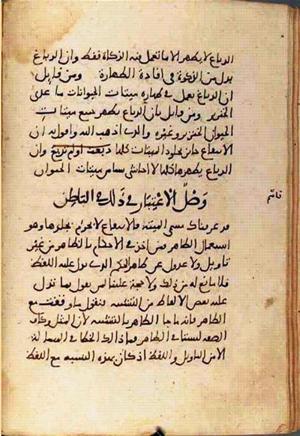
الدباغ لا يطهر إلا ما تعمل فيه الذكاة فقط، وأن الدباغ بدل من الذكاة في إفادة الطهارة.

ومن قائل إن الدباغ يعمل في طهارة ميتات الحيوانات ما عدا الخنزير، ومن قائل بأن الدباغ يطهر جميع ميتات الحيوان، الخنزير وغيره. والذي أذهب إليه وأقول به إن الانتفاع جائز بجلود الميتات كلها، وأن الدباغ يطهرها كلها، لا أحاشي شيئا من ميتات الحيوان.

وصل الاعتبار في ذٰلك في الباطن

(الوقوف مع ظاهر اللفظ)

قد عرفناك مسمى الميتة، فالانتفاع لا يحرم بجلدها، وهو استعمال الظاهر. فمن أخذ في الأحكام بالظاهر من غير تأويل ولا عدول عن ظاهر الحكم الذي يدل عليه اللفظ، فلا مانع له من ذٰلك.

ولا حجة علينا لمن يقول بما تدل عليه بعض الألفاظ من التشبيه، فنقول: ما وقفت مع الظاهر، فإنه ما جاء الظاهر بالتشبيه، لأن المثل وكاف الصفة ليستا في الظاهر، فما ذٰلك الخطأ في المسألة إلا من التأويل.

واللفظ إذ كان بهذه النسبة مع اللفظ
English

tanning purifies only the hides of animals for which ritual slaughter is effective, and tanning takes the place of ritual slaughter in conferring purity.

Others say that tanning purifies the hides of animals that died without ritual slaughter, except swine. Others say that tanning purifies the hides of all such animals, swine included. The position I adopt and hold is that one may make use of all such hides, and that tanning purifies them all. I exclude no animal that dies without ritual slaughter.

Continuation on the Inward Application of This

(Adhering to the Outward Wording)

We have already acquainted you with what is meant by carrion. It is permissible to make use of its hide, which means using the outward aspect. There is therefore nothing to prevent someone from adopting the outward sense in legal rulings, without interpreting it away or departing from the outward ruling indicated by the wording.

Someone who says that some expressions indicate likeness to creatures has no argument against us. We say to him, “You have departed from the outward wording. The outward wording did not assert any likeness. Neither the word ‘like’ nor the prefix of comparison appears in it. The error in this matter comes from interpretation.”

When a wording stands in this relation to a wording

Notes

Translator’s note TN1547-1: “Likeness” here refers to treating God as like a creature. Ibn ʿArabī argues that where the transmitted wording contains no comparison, the claim of likeness comes from the reader’s inference.

Manuscript imageManuscript volume 5 · Page 271

Arabic and English are linked by the same Konya page ID. Page alignment is approximate; consult the manuscript image for verification.

Cairo source reference

Ibn al-Arabi, The Meccan Revelations — Manuscript volume 5 · Page 271 — https://www.futmak.com/english/konya/pages.php?id=1547&text=both