
Futmak · الفتوحات المكية · Meccan Revelations

The Meccan Revelations

Manuscript volume 5 · Page 261

Konya manuscript

Open Arabic sourceOpen English translation

Arabic

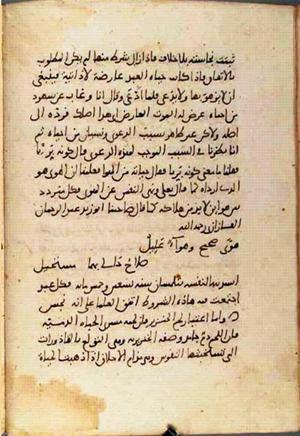
ثبتت نجاسته بلا خلاف، فإذا زال شرط منها لم يكن المطلوب بالاتفاق.

(الدعوى والغفلة عن المحيي)

فإذا كانت حياة العبد عارضة لا ذاتية، فينبغي إن لا يزهو بها ولا يدعي. فلما ادعى وقال: «أنا» وغاب عن شهود من أحياه، عرض له الموت العارض، أي هٰذا أصلك، فرده إلى أصله ولكن غير طاهر بسبب الدعوى ونسيان من أحياه.

ثم إنا نظرنا في السبب الموجب لهذه الدعوى، قال: كونه بريا، فقلنا: ما معنى كونه بريا؟ فقال: حياته من الهواء. فعلمنا إن الهوى هو الذي أرداه، كما قال تعالى: ﴿ونَهَى النَّفْسَ عَنِ الْهَوى﴾ [النازعات: ٤٠]. فكل متردد بين هواءين لا بد من هلاكه، كما قال صاحبنا أبو زيد عبد الرحمن الفازازى رحمه الله:

هوى صحيح وهواء عليل — صلاح حالي بهما مستحيل

أنشدنيها لنفسه بتلمسان سنة تسعين وخمسمائة، فكل عبد اجتمعت فيه هذه الشروط اتفق العلماء على أنه نجس.

(اعتبار لحم الخنزير وذهاب الحياة)

وأما اعتبار لحم الخنزير فإن لحمه مسرى الحياة الدمية، فإن اللحم دم جامد، وصفة الخنزيرية وهي التولع بالقاذورات التي تستخبثها النفوس، وهي مذام الأخلاق. إذا ذهبت
English

its impurity is established without disagreement. If one of these conditions is absent, the ruling ceases to be a matter of agreement.

(The Claim and Heedlessness of the One Who Gives Life)

Since the servant’s life comes to him and does not belong to him essentially, he should refrain from boasting of it and claiming it as his own. When he laid claim to it and said “I,” losing sight of the One who brought him to life, supervening death came upon him, as if to say, “This is your origin.” It returned him to his origin, impure on account of his claim and his forgetfulness of the One who brought him to life.

We then examined the cause that brought about this claim. He said, “It is that he is a land creature.” We said, “What does it mean for him to be a land creature?” He said, “His life is from air.” We understood that it was passion that brought him down, as the Most High says, “and restrained the soul from passion” [al-Naziʿat 79:40]. Whoever wavers between two airs is bound to perish, as our companion Abū Zayd ʿAbd al-Raḥmān al-Fazāzī, may God have mercy on him, said:

Sound passion and sickly air — with the two my state cannot be set right.

He recited this line of his to me in Tlemcen in the year 590. Every servant in whom these conditions come together is impure by agreement of the scholars.

(The Inward Application Concerning Pig Flesh and the Departure of Life)

As for the inward application concerning pig flesh, its flesh is a passage for the life borne by the blood, for flesh is congealed blood. The piggish quality is a fondness for filthy things that souls find repugnant, namely blameworthy character traits. When

Notes

Translator’s note TN1537-1: The argument and the verse play on the similar sounds of hawāʾ, “air,” and hawā, “passion.”

Manuscript imageManuscript volume 5 · Page 261

Arabic and English are linked by the same Konya page ID. Page alignment is approximate; consult the manuscript image for verification.

Cairo source reference

Ibn al-Arabi, The Meccan Revelations — Manuscript volume 5 · Page 261 — https://www.futmak.com/english/konya/pages.php?id=1537&text=both