
Futmak · الفتوحات المكية · Meccan Revelations

The Meccan Revelations

Manuscript volume 5 · Page 111

Konya manuscript

Open Arabic sourceOpen English translation

Arabic

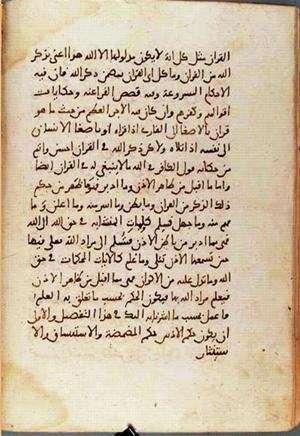
القرآن، مثل كل آية لا يكون مدلولها إلا الله، هٰذا أعني بذكر الله من القرآن. وما كل آي القرآن يتضمن ذكر الله، فإن فيه الأحكام المشروعة، وفيه قصص الفراعنة وحكايات أقوالهم وكفرهم.

وإن كان فيه الأجر العظيم، من حيث ما هو قرآن، بالإصغاء إلى القارئ إذا قرأه أو بإصغاء الإنسان إلى نفسه إذا تلاه، ولكن ذكر الله في القرآن أحسن وأتم من حكاية قول الكافر في الله ما لا ينبغي له في القرآن أيضا.

(ما ظهر من الذكر وما بطن)

وأما ما أقبل من ظاهر الأذن وما أدبر، فهو ما ظهر من حكم ذٰلك الذكر من القرآن وما بطن، وما أسر منه وما أعلن، وما فهم منه وما جهل. فسلم كلمات المتشابه في حق الله إلى الله، فهي مما أدبر من باطن الأذن، فتسلم إلى مراد الله تعالى فيها حين تسمعها الأذن تتلى.

وما علم، كالآيات المحكمات في حق الله وما تدل عليه من الأكوان، فهي مما أقبل من ظاهر الأذن، فيعلم مراد الله بها، فيكون الحكم بحسب ما تعلق به العلم. فاعمل بحسب ما أشرنا به إليك في هٰذا التفصيل. والأولى أن يكون حكم الأذنين حكم المضمضة والاستنشاق والاستنثار.
English

the Quran, as in every verse whose referent is God alone. This is what I mean by remembrance of God from the Quran. The verses of the Quran do not all contain remembrance of God. It contains the rulings of the revealed Law, as well as accounts of Pharaohs and reports of their words and unbelief.

Inasmuch as this is Quran, there is an immense reward in listening to a reciter as he recites it, or in listening to oneself while reciting it. Yet remembrance of God in the Quran is better and more complete than the Quran’s report of an unbeliever saying of God what does not befit Him.

(What Is Manifest and What Is Hidden in Remembrance)

What faces forward on the outside of the ear and what turns back correspond to what is manifest and what is hidden in the import of that remembrance from the Quran, what is uttered privately and what is proclaimed, and what is understood and what remains unknown. Entrust to God the words that are ambiguous concerning Him, for these belong to what turns back on the inner side of the ear. When the ear hears them recited, entrust their meaning to what God intends by them.

What is understood, such as the unambiguous verses concerning God and the created things they signify, belongs to what faces forward on the outside of the ear. God’s intention in those verses is known, and the ruling accords with what that knowledge concerns. Act according to the distinctions we have indicated to you. It is preferable that the ears have the same ruling as rinsing the mouth, drawing water into the nose, and expelling it.

Manuscript imageManuscript volume 5 · Page 111

Arabic and English are linked by the same Konya page ID. Page alignment is approximate; consult the manuscript image for verification.

Cairo source reference

Ibn al-Arabi, The Meccan Revelations — Manuscript volume 5 · Page 111 — https://www.futmak.com/english/konya/pages.php?id=1387&text=both